


Stay in the loop with the latest news and events from the Sustainable Innovation Ecosystem

Summer expands time – those long hours when our minds finally have space to wander. But what if this season of leisure could also deepen our connection to the living world and spark new ways of thinking about our future?
This isn't your typical beach reading list. From Portuguese river pools to microscopic ecosystems, from the rights of nature to innovative urban sustainability, these recommendations weave together science, philosophy, and wonder. Each track explores how breakthrough thinking and sustainable solutions can reshape our relationship with the planet—whether through revolutionary approaches to housing and healthcare, reimagining cities for 2125, or understanding how ancient innovations in medicine still guide us today.
Find your favorite reading spot and prepare for a summer that nourishes both brain and soul while inspiring the kind of forward-thinking our world needs.
Book by Robert Macfarlane
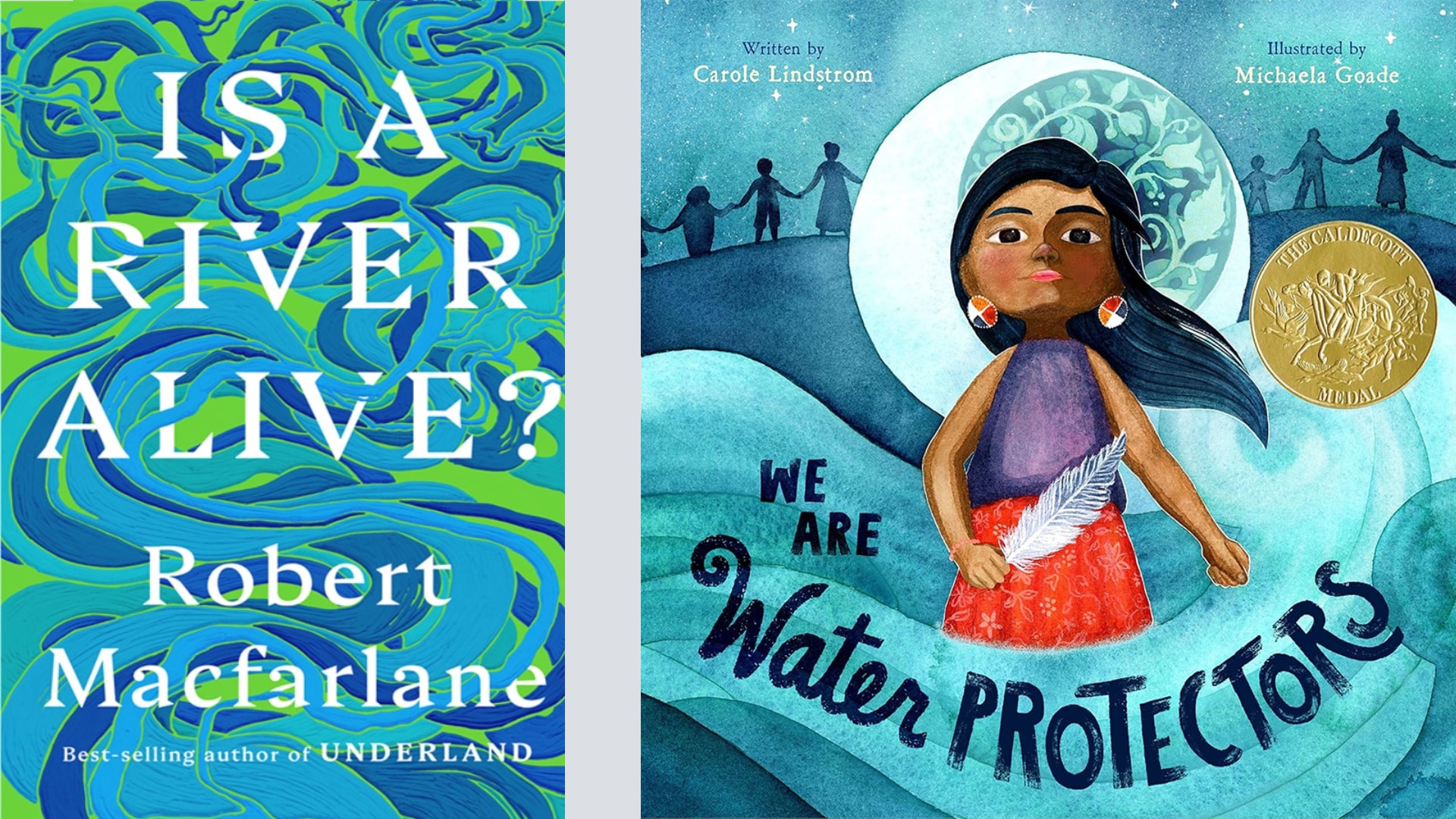
You might be swimming in one of the natural pools scattered across Portugal. If so, this book – “an impassioned plea to save our rivers combining poetry and adventure” – will resonate and bring refreshing depth to the most precious arteries of our planet. In September 2008, Ecuador, “this small country with a vast moral imagination”, became the first nation in the world to legislate on behalf of water, “since its condition as an essential element for life makes it a necessary aspect for the existence of all living beings”. This enshrinement of the Rights of Nature sparked similar developments in other countries, as noted in The Guardian's review of the book. Or listen to the author, Robert Macfarlane, in conversation on Emergence Magazine, while drying off on the riverbank.
Book by Thomas Levenson
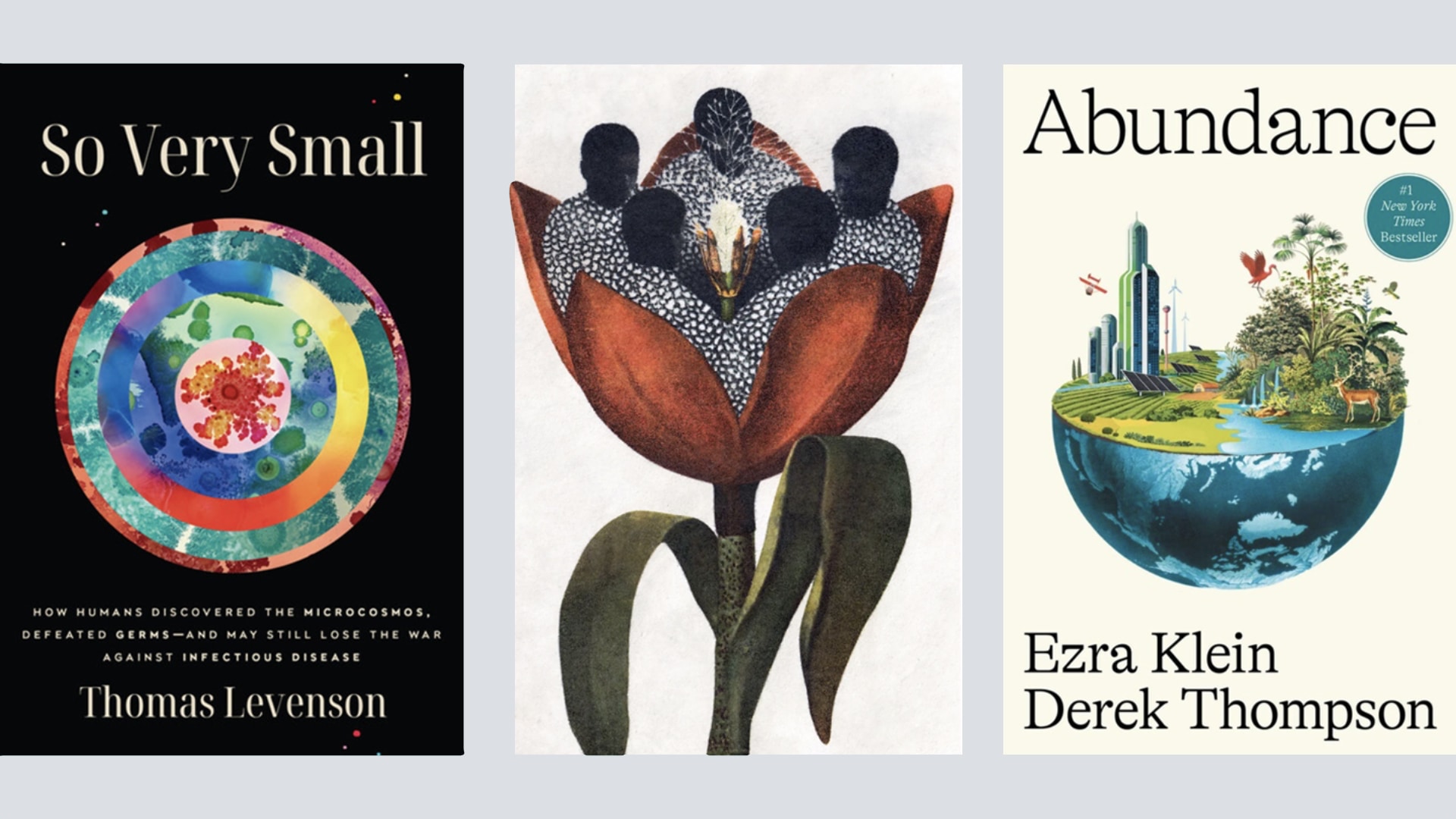
Thomas Levenson is Professor of Science Writing at the Massachusetts Institute of Technology. In this book, he “walks us through nearly 350 years of scientific inquiry into the microscopic world, chronicling the precarious dance of humans with their mass murderers: microbes”. For centuries, that dance often ended with the microbes winning. But with the rise of germ theory in the late 19th century, which postulates that infectious diseases are caused by microorganisms, humans began to develop effective modern medicines. Why was it so hard to see that bacteria play a role in illness?
Ted Animation by by Iseult Gillespie (April 2025)
With developments in science and technology, the future outlined in Gillespie’s animation is more viable than ever before. She explores what Los Angeles, Lagos, and São Paulo could look like in 100 years if we harness the tools we already have and collectively contribute to urban sustainability. Share this animation with kids and friends, and ask them: how would they want the city they live in to look 100 years from now?
Book by Ezra Klein & Derek Thompson
Abundance is “a once-in-a-generation, paradigm-shifting call to rethink big, entrenched problems that seem mired in the systemic”, from climate change to housing, education to healthcare, by professional thinkers Ezra Klein and Derek Thompson. It dares to imagine potential solutions for America, like accelerating housing construction by putting real speed and action behind funding. “The Empire State Building was built in one year.”
So why is building affordable housing so hard today? One of the deeper questions is: “What does it mean to be an environmentalist in the 2020s?” Is it still about blocking projects – or igniting them with appropriate clean energy construction measures?
Podcast by co-hosts Alix Spiegel & Lulu Miller
Not everything is green, and summer often prompts deep introspection for taking rewired action. Invisibilia, the NPR podcast, is a perfect holiday package. In contrast to the sun that’s sometimes too bright, the sand that burns without flip-flops, the kids screaming too loudly, and a grumpy partner… co-hosts Alix Spiegel and Lulu Miller look at invisible things – like assumptions and dark thoughts – and explore the "unseeable forces" that influence our thoughts, feelings, and actions. These dark thoughts will inevitably occupy our minds, no matter how paradisiacal the destination. The bright side? There’s now a place to share and better understand their roots.
App by co-founders Jesse Pickard, Jeff Evans, Andy Mroczkowski, and Karl Stenerud
A brain-training app to engage your mind while stretching your feet on a wet towel. Elevate, with its impeccable design, helps sharpen focus, memory, and communication through quick, personalized games. It’s a mental fitness coach with engaging rewards. If the summer feels like slow motion, and you're missing your brainy buddy who usually shows up to play chess, Elevate will entertain solo travelers craving interaction. Learn and play anytime, even in transit or on short commutes.
Podcast
One of the most compelling weekly series of “eco-practices” suggested by Emergence Magazine brings us to “Becoming Earth: An Experimental Theology” or “Meeting Kairos”. The format can be listened to like a yoga class or read like the instructions to a treasure hunt. The tone is reflective. Kindship Time, for example, is described this way: “We are accustomed to thinking of time as the ticking of the clock, a repeating round of numbers and measurements. But time is also made up of relationships, experienced as cycles and rhythms woven from a matrix of ecological processes interacting in continuous collaboration. Modern technology has subdued our instinct to create time together with the Earth, yet our bodies are built to be in conversation with our ecosystem, responding to the world around us via internal clocks. When we attune to the pulses within and around us, time can become an experience of kinship”.
Book and video for children by Carole Lindstrom (author) and Michaela Goade (Illustrator)
This Caldecott Medal–winning picture book honors Indigenous-led movements around the world. Powerfully written and illustrated, We Are Water Protectors issues an urgent rallying cry to safeguard Earth’s water from harm and corruption—inviting young readers everywhere to join the fight.
“Water is the first medicine. It affects and connects us all.
When a black snake threatens to destroy the Earth
And poison her people’s water,
One young water protector
Takes a stand to defend Earth’s most sacred resource…”
This New York Times–bestselling book can also be watched and read aloud to a wider audience at the end of a beach day.
A closing quote by the grand science fiction and fantasy author:
“It is blasphemy to separate oneself from the earth and look down on it like a god. It is more than blasphemy; it is dangerous. We can never be gods, after all – but we can become something less than human with frightening ease.”
— N.K. Jemisin, The Hundred Thousand Kingdoms
To whisper to the ray manta while diving into the depths of the ocean, humble and collected, a happy fish among all creatures of Earth, in a fusional dance with nature – that is my wish for you to have a wonderful summertime.

AlmaScience is a collaborative innovation R&D lab and a technology incubator for sustainable functional materials and green electronics.

Stay in the loop with the latest news and events from the Sustainable Innovation Ecosystem