

Stay in the loop with the latest news and events from the Sustainable Innovation Ecosystem

Happy sustainable summertime!
Help us preserve water and nurture Portugal’s coastlines with these eco-friendly vacation tips.
Water is life's mater and matrix, mother and medium. There is no life without water.
- Albert Szent-Gyorgyi, Nobel Prize Hungarian biochemist (1893 - 1986)
Galileo spoke of the scarcity and the plenty as what makes things (absurdly) precious or vulgar, but water, either scarce or in abundance, will never be vulgar. Water is a noble resource, and our mission is to use it responsibly. Collectively and individually, we must cherish water as the source of life that sustains, nurtures, and entertains in the shape of rivers, oceans, our body fluid, the bottle we sit next to our computer, and even the amniotic water we bathed in coming to life.
The World Health Organization (WHO) recommends water usage in the range of 50 to 100 liters per capita per day. While glamping is all the rage, the best is to avoid the manic reproduction of home design on the current market such as this outdoor hot bathtub that will be as fun and neglected as the jacuzzi in a past time. No need either to pile up useless camping accessories that will clutter your garage later, like that ski equipment you’ve invested in and used twice in your life.
Note that a filled bathtub consumes 320 liters vs. a typical shower that already uses about 90 liters of water.
Baths are best banned since oceans and rivers welcome your body with grace and zero energy costs.
Take low-flow showers with cold water to make them swift, and prep for ocean temperatures. Get inspired by the Scottish Winter Swimming Championships in ice-cold water, and why not use a simple bucket cowboy style? Whistle all along with joy, keep your boots and horse close by, even if those are Birkenstocks and a light-aluminum mountain bike.
Clean your body, beard, and scalp all at once with one solid soap only. The peppermint solid shampoo Atlantique by Le Baigneur (meaning “the bather”) feels like a soft stone in your palm. The wide range of organic soaps by Terra Viva, an artisanal soap factory in Mafra, Portugal, offers an enchanting blend of scents with eco-friendly production and packaging. Try the solid shampoo soap: cypress, tea tree, and mint scents.
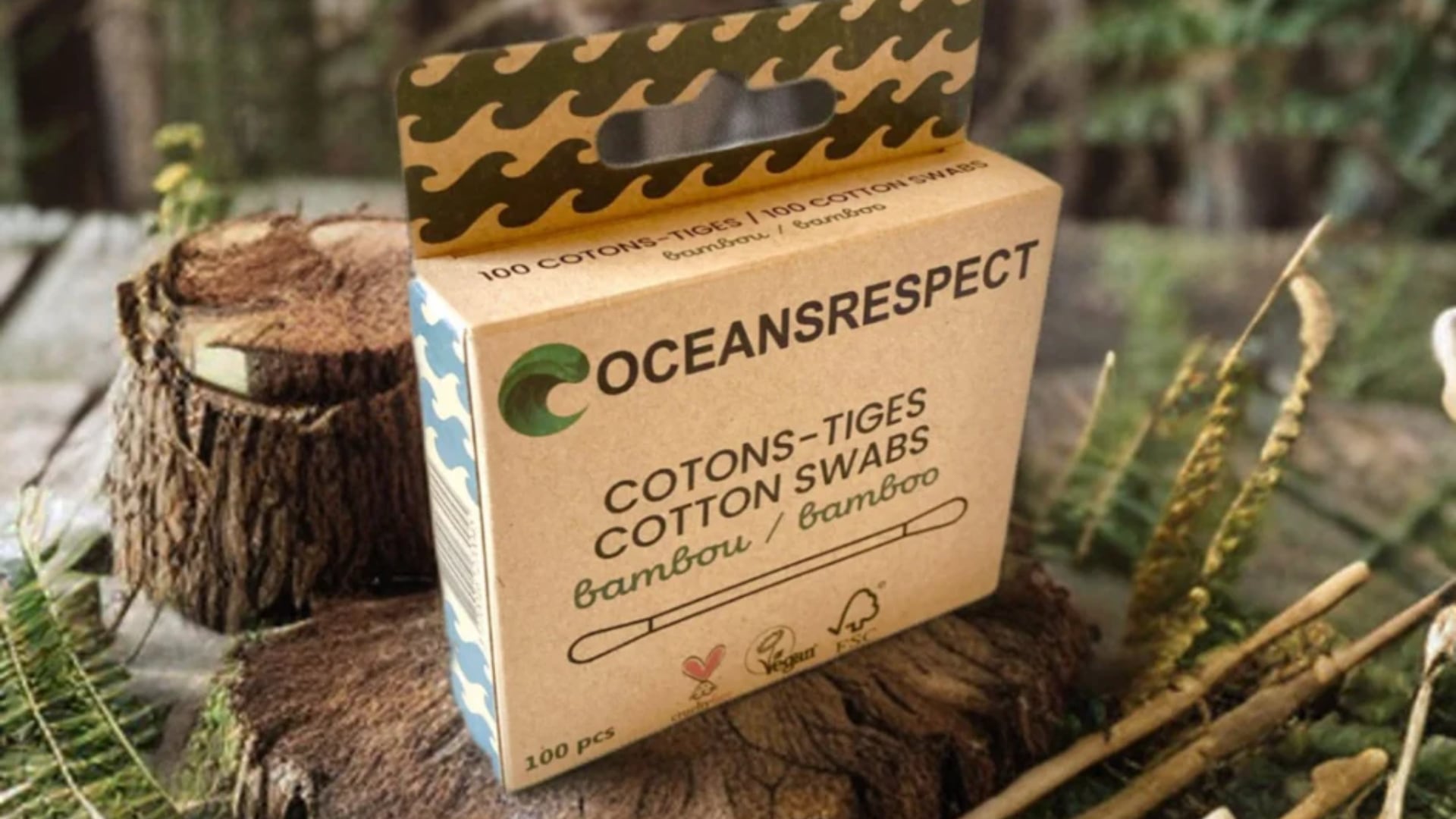
Now lightly wet your toothbrush, apply the paste, turn off the water, and go for a short walk while brushing your teeth with love and soft rotations using a bamboo toothbrush Le Voyageur (“the traveler”) that comes with an interchangeable head by brand Ocean Respect – #plasticfree products for #cleanoceans, made in Southern France.
If you care for the risk of environmental damage, stick with campsites. Wild camping has the potential of losing trash, starting a fire, or damaging preserved natural resources.
Try thinner streams of cold water at home and on holidays. To help you, choose low-flow showerheads and sink nozzles. Even if someone takes a long shower, these solutions minimize waste.
Since you’re on holiday, you probably don’t have a dishwasher at hand. Why not take time to wash the few dishes and quick-to-wash and dry Oysho-style of clothing by hand? Our great-grandmothers did so in Cascais, in what was once a fishing village. Why not us? When you wash dishes, consider what really needs hot water. For instance, use a thin stream of cold water if your meals are mostly salads and glasses of water or white wine. So much of what we do is because humans are creatures of habit. So, let’s retrain every day a bit more.
Before hitting the road, take time to tour your flat or house and list things to absolutely sort out before departure.
The worst water waste comes from toilets leaking, not to mention a pool leaking. Also know that a home car wash uses more than a bath, between 300 to 500 liters, and leaves the contaminated water flowing into street drains or leaching into the soil.
Meditate on the usage of water sprinklers for private usage before investing in such tool for your garden to stay ultra lush. Water sprinklers on Jardim de Estrela enrich our collective urban lifestyle with chlorophyll but note that the device will be drinking close to 1.000 liters per hour. Each of our water-related decisions might soon invite us to question our personal entitlement when sharing one planet with limited resources with over 8 billion people.
In the Algarve, where in the summer 40.000 tourists land daily, the “It’s Futourism” movement is raising a campaign for water-saving awareness right at the airport. (Source: Turismo de Portugal.) “The future of tourism in Portugal is sustainability, and ecotourism is the new trend”, one can read on Portugal Business News. The tourism sector had a record year in 2023, with more than 73 million overnight stays. Tourists must take an active part in protecting the country for future generations of visitors, and we might as well consider these contributions as essential civic duty.
To summarize the future of resources and climate, the wall toward which humanity is evidently rushing is a shortage not of minerals and energy, but of food and water.
- Edward O. Wilson, American biologist and naturalist (1929-2021)
By 2040, an estimated one in four children will live in areas with extreme water shortages. (Source: UNDRR.) Think about drawing new landscapes and solutions for land restoration, “mimicking nature wherever possible to create functional ecological systems”, bouncing on the wise words of Ibrahim Thiaw, Executive Secretary of the UNCCD. Saving water can be a real kickstarter this summer in every one of our activities, and we will grow active care for innovative solutions for preserving water on a larger scale. Played by a large crowd, this can be a game-changer.
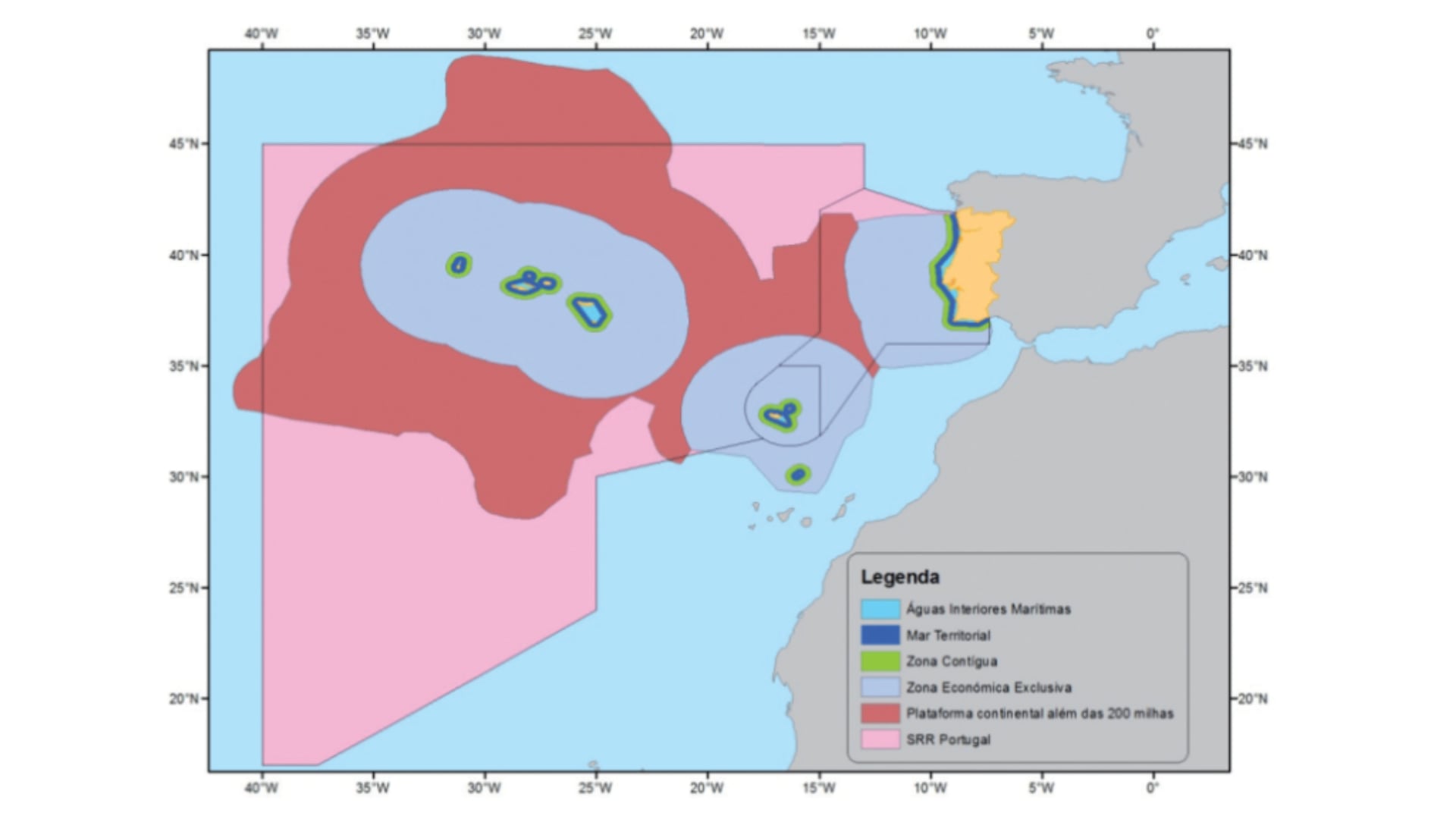
The average adult human consists of 55% water. A newborn baby is made up of about 75% water. A jellyfish contains between 95 and 98% water. The moral of the story: Portugal could be a jellyfish. With a maritime area 40 times greater than its terrestrial land, Portugal is 97% water. (Source: Big Think.)
The sunscreen you’ll be using on Portugal’s shores will have direct consequences to the country’s most precious resources. In 2015, the chemical oxybenzone commonly used in sunscreens was identified as highly toxic to young coral reefs and other marine life. Take time to scan the ingredients of the sunscreen products you’ll be using.
Louise Laing and Austin Laing-Herbert met on the Great Barrier Reef while studying marine biology. After obtaining their Master’s degree from James Cook University, they expatriated to the Indian Ocean and spent the next 5 years restoring coral reefs in Mauritius and Seychelles. On their site, P4O (people4ocean), they detail the latest data about why we should not use sunscreen sprays at all.
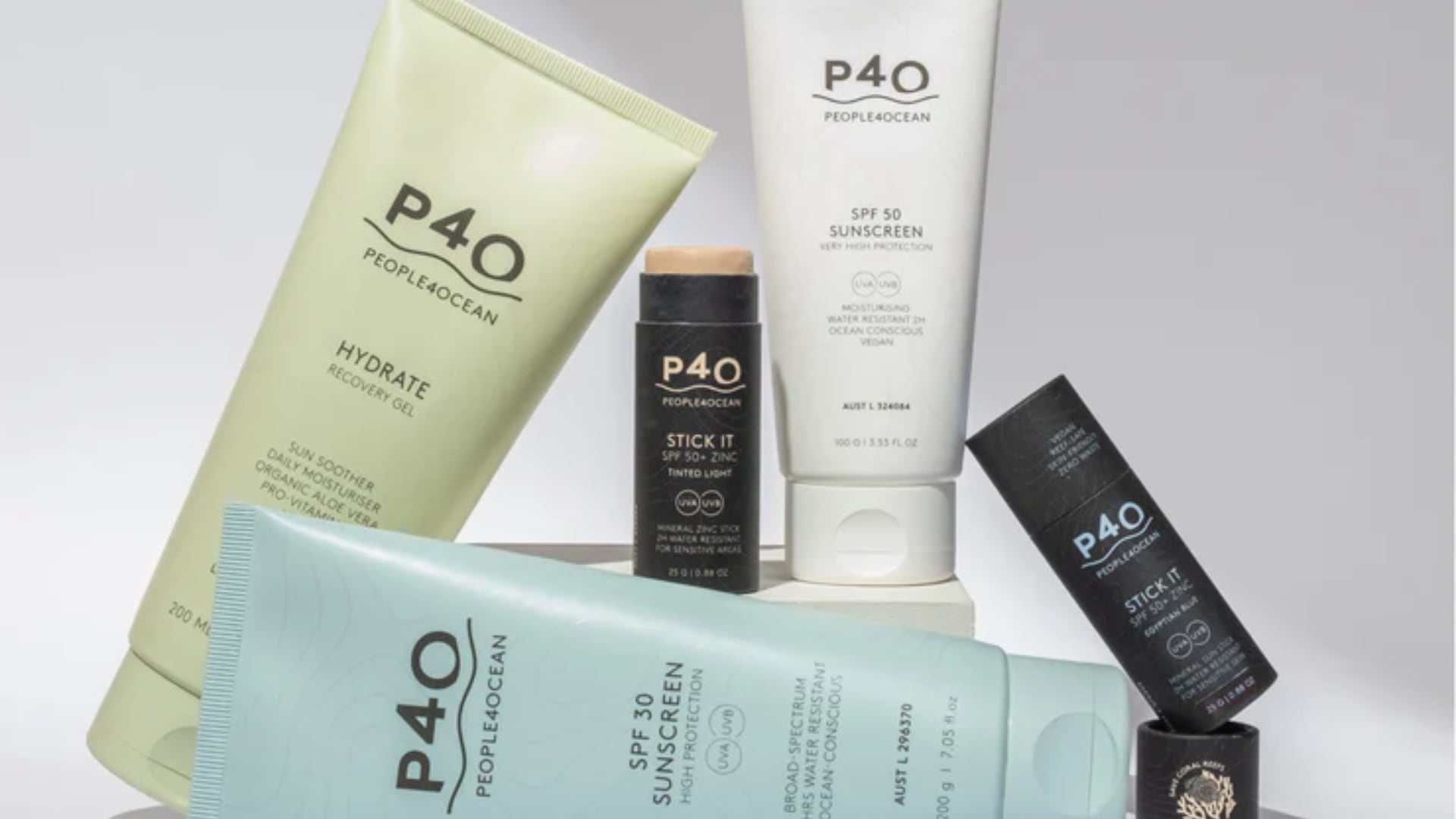
“By their very nature, they are sadly not reef safe. Harmful nanoparticles are ejected from the nozzle in the form of a wispy yet potent cloud, which is too easily carried on even the lightest of winds and dispersed into the atmosphere.” Click through and browse through their line of ocean-safe products.
Also note: the best antidote to an excessive use of sunscreen and sun skin damage is: to stay in the shade between 11 am and 4 pm. Moreover: scan thoroughly your sunscreen packaging and spend your flight waiting time reading this complete guide to avoid skin cancer, via the British Skin Foundation.
Whoever deemed the ocean an invigorating place needed to reconsider the reality of crashing waves, sunburn, and sand wedged up into places no one should have it.
- Natalia Jaster, author of TRICK
Throughout the bathing season, APA (Agência Portuguesa do Ambiente) carries out “analyses to assess whether the bathing waters are suitable for bathing, to guarantee greater safety for users”. The 2024 bathing season includes 6 more beaches than last year, totaling 664 bathing beaches. These are places where surveillance and assistance to bathers is provided by lifeguards, according to the decree signed by the Minister of National Defense and the Minister of the Environment and Energy.
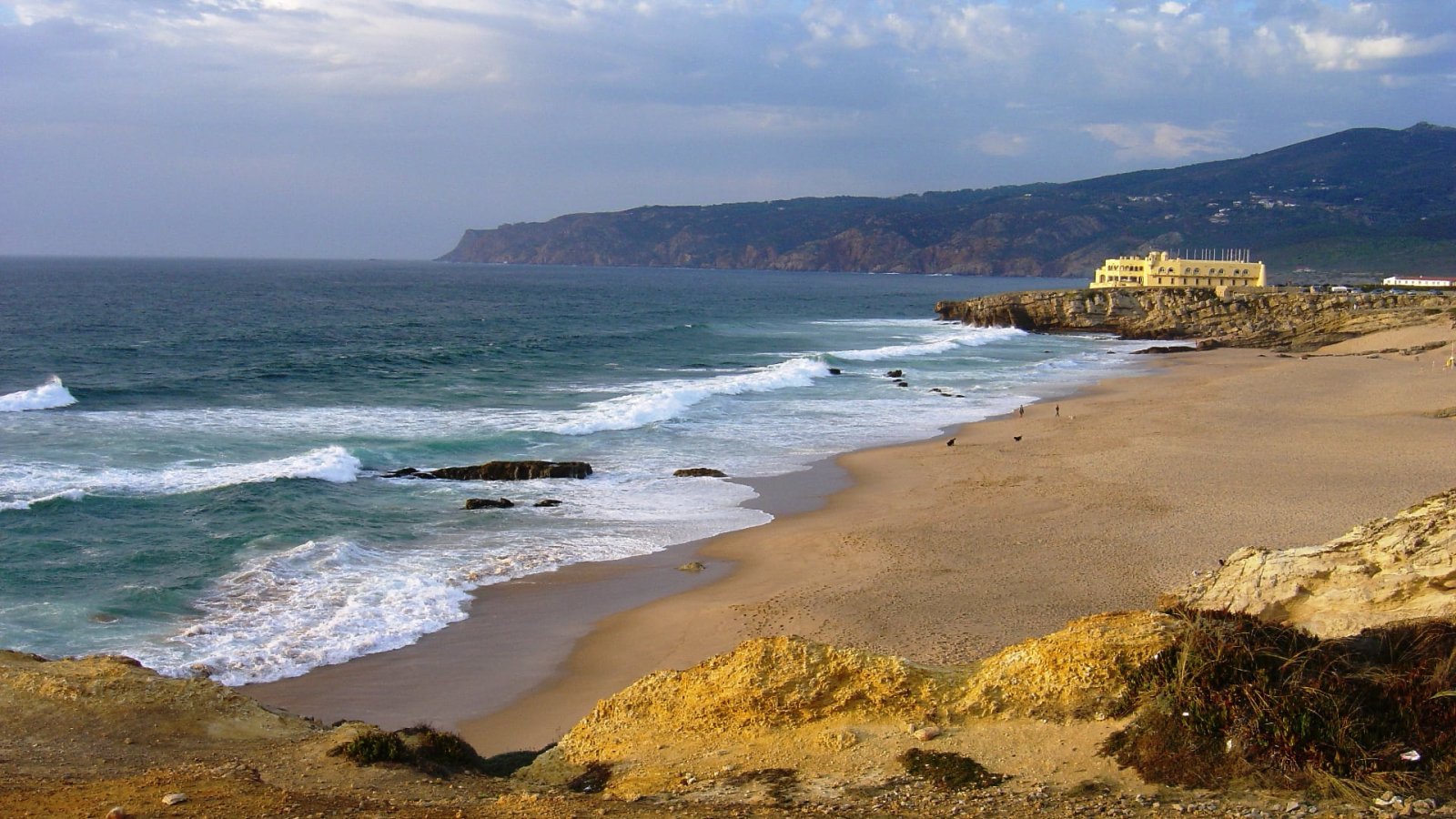
Respect the high-maintenance role of lifeguards in summertime, particularly on wind-heavy beaches such as Guincho or Magoito Beach, and closely monitor your children and friends at all times. The Atlantic waves are telluric, ebb and flow change suddenly, and the freshness of the air is tricky. The wind minimizes the cruelty of zenith hours, which might result in memorable sunburns even with high protection. Follow surfing apps like Surfline to stay updated on wind speed, and avoid unnecessary risks by all means.
Keep permanently hydrated on days that easily range close to or over 30 degrees. And bring your own stainless steel water bottle. There are so many cool shapes, colors, and materials. You can really make yours stand out!
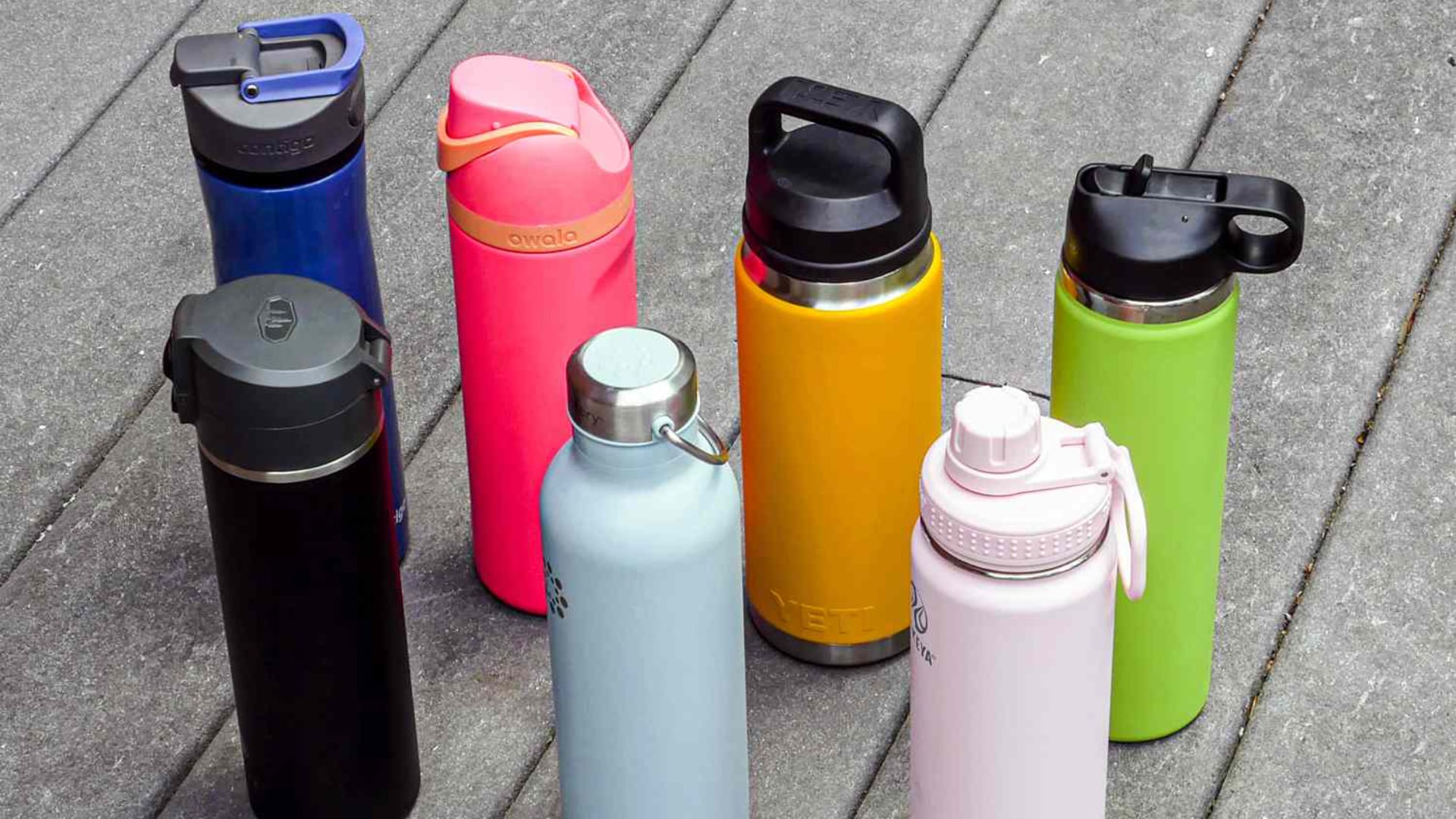
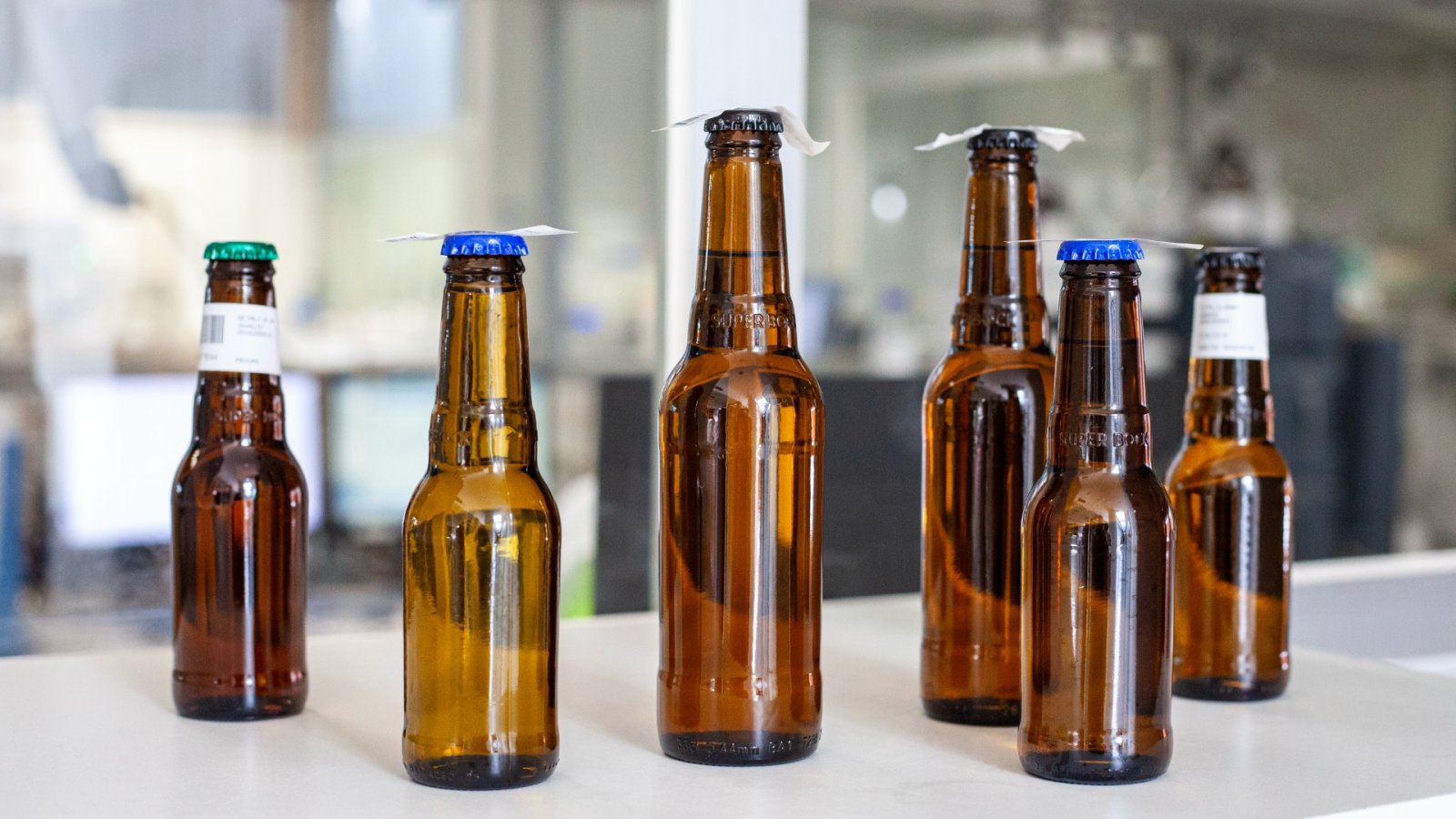
Do not depend on plastic bottles. Avoid plastic in all its forms since so many alternatives are offered. It’s a great summer challenge, amazingly inventive in thinking DYI and differently. Plastic will add to garbage management, to sea and sand pollution, and if you are dependent on plastic bottles you will be subjected to a wild, wide range of prices, depending on water scarcity in the areas to which you travel.
American author Clive Thomson writes for Wired: “The environmental problem of “single-use plastics” haunts the public imagination like a spectral wolf. And no wonder—the sheer welter of everyday objects we make from plastic is astonishing. There’s plastic in grocery bags, obviously, but also in yoga pants and car tires and building materials and toys and medical products”.
Pick up your butts and carry with you a DIY portable ashtray. About 10 million butts reach the ground per day in Portugal alone. And 10 billion a year is the number of cigarettes consumed in the country.
“Each cigarette butt that is not properly thrown away ends up triggering a cycle of soil and water contamination, putting at risk all the organisms that depend on them.” Portuguese Zero Waste Lab raised the campaign “Beata é Plástico” (which means “Cigarette butt is plastic”) for people to realize a cigarette butt is not biodegradable as the myth goes.
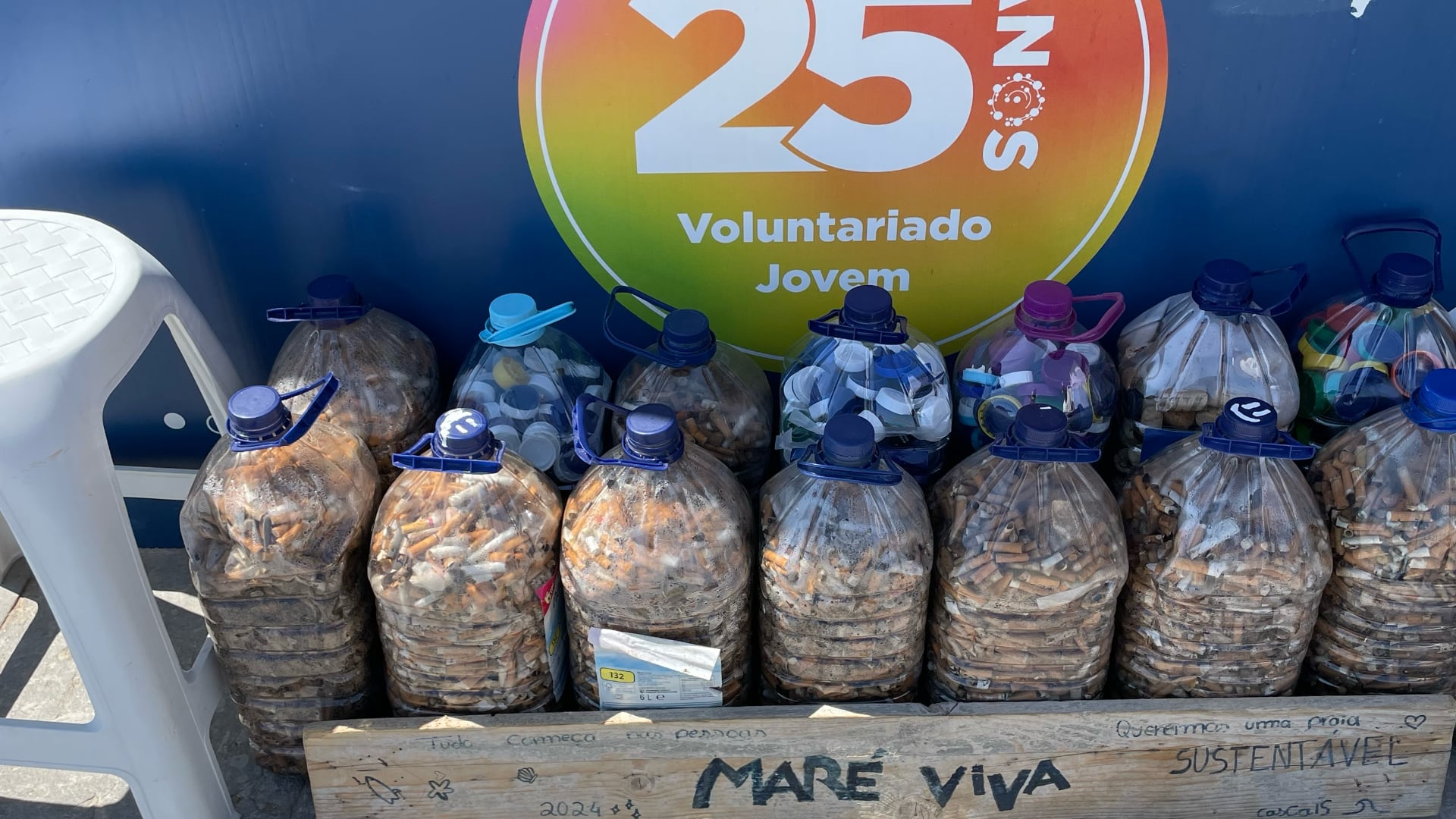
Try asking the Portuguese youth who bravely volunteer on the country’s beaches, each day under the scorching sun, and are forced to pick up your remains, cigarette butts, plastic wraps, and other items abandoned on the sand, what are they collecting most this year. They will show you containers filled with cigarette butts.
Everyday people do everyday things, but I
Can't be one of them
I know you hear me now, we are a different kind
We can do anything
We could be heroes
We could be heroes, me and you
We could be heroes…
Seriously. You can. Yes!
Maritime Zones under Portuguese Sovereignty and/or Jurisdiction
Camping Is Getting More Sustainable in 2024: Here’s How by Happy Eco News.
Save Water, Save Money: 10 Easy Ways to Conserve Water at Home
The Cure for Disposable Plastic Crap Is Here - and It’s Loony, by Clive Tomson
Campaign: Save Water, Be a Futourist!
Portugal in project to protect European seas biodiversity
This work had financial support from the Interface Mission (RE-C05-i02 – Missão Interface N.º 01/C05-i02/2022), Componente: Laboratórios Colaborativos, project 197), in the context of the RRP - Recovery and Resilience Plan.

AlmaScience is a collaborative innovation R&D lab and a technology incubator for sustainable functional materials and green electronics.

Stay in the loop with the latest news and events from the Sustainable Innovation Ecosystem