


Stay in the loop with the latest news and events from the Sustainable Innovation Ecosystem

From Lisbon and AlmaScience, a collaborative R&D lab focused on green electronics, we look ahead to 2025–2030 with the firm belief that sustainable innovation is key to strengthening Europe's distinct voice and economic model. We pledge for action in research and business development to help fuel a movement that must remain unstoppable despite recent setbacks.
In a few short weeks, President Trump has severely damaged the government’s ability to fight climate change, upending American environmental policy with moves that could have lasting implications for the country and the planet.
With a flurry of actions that have stretched the limits of presidential power, Mr. Trump has gutted federal climate efforts, rolled back regulations aimed at limiting pollution, and given a major boost to the fossil fuel industry.
– “Full on Fight Club”: How Trump is Crushing U.S. Climate Policy, The New York Times, March 2, 2025
Kathleen Sgamma's nomination to lead the Bureau of Land Management solidifies this shift. A long-time advocate for oil and gas companies, Sgamma underscores the administration’s pro-fossil fuel stance.
Meanwhile, an executive order accelerating deforestation across 280 million acres of U.S. public lands has raised concerns about endangered species and ecological destruction. (The Guardian, March 3, 2025)
Yet, amid federal rollbacks, individual U.S. states are stepping up. Vermont is restoring floodplains, and Texas is building storm-resilient homes, demonstrating that climate leadership can emerge locally (BBC.com).
As the U.S. shifts its priorities, China is expected to represent nearly 60% of the world’s renewable energy capacity between 2025 and 2030, leading the way in the energy transition.
No matter how much the external environment changes, and no matter how many challenges we face, China has firm determination to achieve this vision of carbon neutrality.
– Xie Zhenhua, Chinese Climate Envoy, COP27, 2022
We must see the so-called 'dash for gas' for what it really is: a dash down a bridge to nowhere, leaving the countries of the world facing climate chaos and billions in stranded assets. We have to move beyond the era of fossil fuel colonialism.
– Al Gore, former US Vice-President, COP27, 2022
If the new U.S. leadership shrinks away from climate policies at a time when the rest of the world is rapidly shifting toward a green economy powered by clean technology, China could seize the opportunity to bolster its economic and geopolitical ambitions.
– “Climate News to Watch”, Yale Climate Connections, 2025
Europe, meanwhile, faces a crucial moment. As past crises have reshaped global priorities – from the 2019 "climate emergency" declaration to COVID-19's lessons on interconnectivity and the geopolitical energy shocks of 2022 – 2025 signals that the U.S. is no longer a reliable ally for EU climate policy.
In this changing landscape, Europe has an opportunity to take the lead in global climate action, working alongside dedicated individuals, nonprofits, and corporations committed to sustainability.
Some analysts view this moment as an opportunity for Europe to define its role beyond military expansion, focusing on what the EU offers in ethical leadership and coalition. With growing pressure to bolster its defense capabilities, is this truly the direction Europe should take? The question remains open as events unfold.
Instead, we turn our focus to key trends and tangible achievements in climate action, particularly those meeting the goal of protecting 30% of Earth’s land and seas by 2030.
February 28, 2025, Rome: Countries at COP16 agree on a strategy to mobilize at least $200 billion annually by 2030 to support biodiversity conservation, earning a standing ovation for COP16 President Susana Muhamad (carbonbrief.org).
November 2025, Brazil: COP30 convenes. A year after President Luiz Inácio Lula da Silva took office, he pledged to ending deforestation by 2030. Currently, the world loses 10 football fields of tropical primary forest every minute (WRI).
Online Consumer Electronics: The European online consumer electronics market is projected to reach €107 billion by 2025, marking a 19% increase. This growth is driven by the convenience and variety offered by online platforms, as well as the increasing consumer demand for sustainable products.
Source: ChannelEngine
AI for Sustainable Retail: Retailers are increasingly adopting AI-powered tools to enhance operational efficiency and promote sustainability. These technologies assist in inventory management, reducing overproduction, and minimizing waste.
Source: Lombard Odier
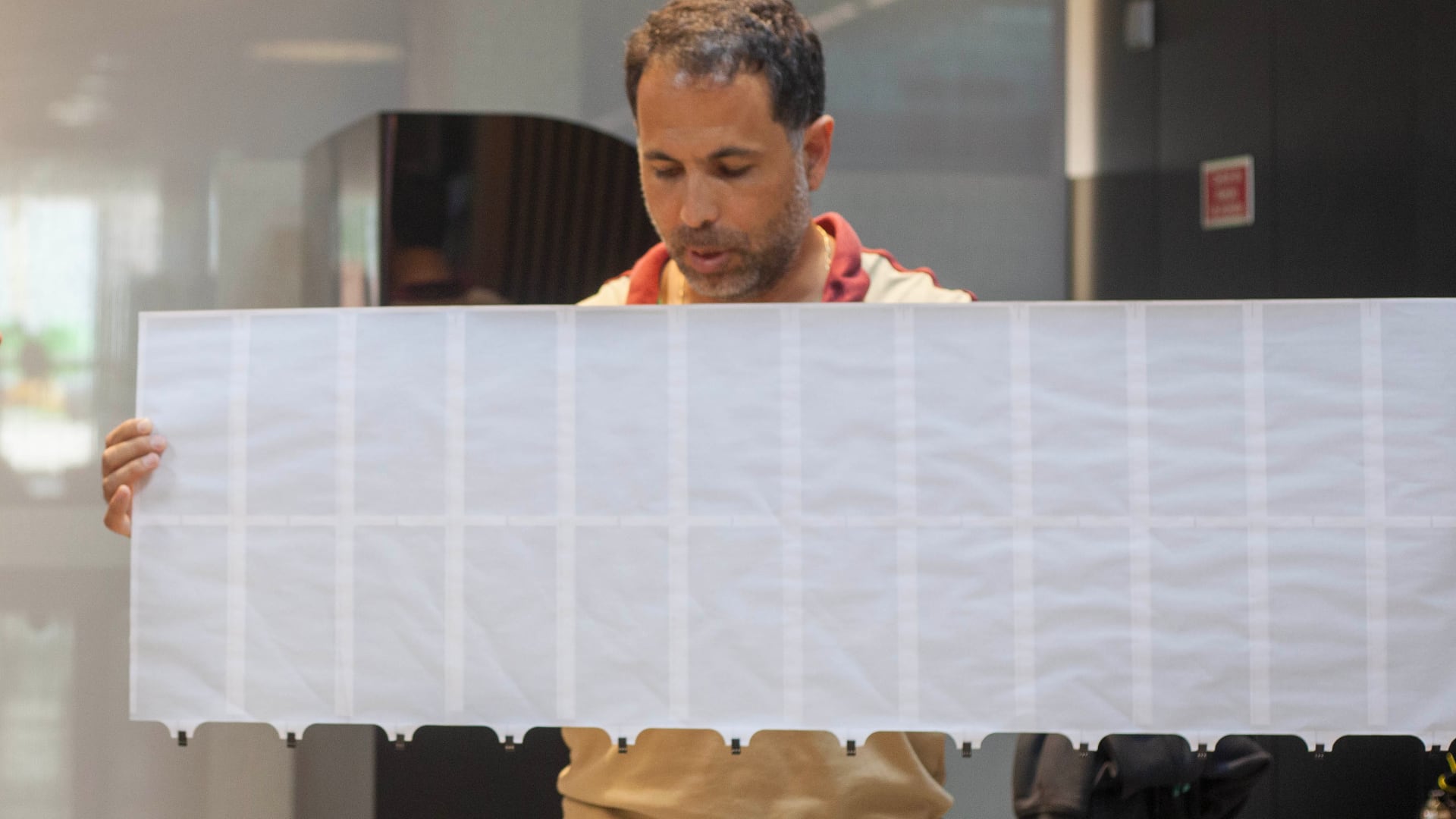
AlmaScience plays a part in this trend via its spin-off, PaperWeight AI: a groundbreaking paper-based shelf event-sensing system powered by artificial intelligence. It provides real-time data analytics for retailers, enhancing inventory management and theft detection. The system is cost-effective, easy to install, and seamlessly integrates with existing vision systems.
Electric Vehicles (EVs) Market Expansion: Europe is projected to see EVs capturing up to 24% of the total car market by 2025. This growth is driven by the introduction of more affordable electric models and stringent EU CO2 emissions targets.
Source: Green Tech Post
Green Tech Investment and Sustainability: The European green technology and sustainability market is expected to experience a compound annual growth rate (CAGR) of 23.4% from 2024 to 2030, reaching approximately $27.5 billion by 2030. This indicates a significant rise in investments aimed at promoting sustainable practices and technologies across various sectors.
Source: Grand View Research
Carbon Capture and Utilization (CCU): Technologies like Direct Air Capture (DAC) are anticipated to gain traction, with systems capable of removing CO₂ directly from the air and converting it into usable products. This development is crucial for Europe’s efforts to achieve net-zero emissions. Source: Gart DevOps
Net Zero Industrial Act (NZIA): The EU has agreed on the NZIA to boost domestic production of green technologies, aiming to cover at least 40% of its net-zero technology demand by 2030. This initiative is expected to streamline processes and regulations, fostering a more favorable environment for green tech investments.
Source: TNW | The heart of tech
Fighting greenwashing: Legal action against greenwashing has proven effective. Earlier this year, Arla Foods was banned from using “net zero climate footprint” in Sweden after a court ruled it was misleading to consumers (BBC.com). In May 2023, BNP Paribas announced it would stop funding new gas projects. This followed a lawsuit by campaigners – the first climate-related case against a commercial bank (Reuters).
The EU Green Deal is the European Union’s strategy to make Europe the first climate-neutral continent by 2050. It’s a comprehensive plan to transform the EU economy by reducing greenhouse gas emissions, boosting resource efficiency, and preserving biodiversity while ensuring economic growth and social fairness.
Key Goals:
It includes policies like carbon pricing, green finance, sustainable agriculture (Farm to Fork strategy), and massive investments in clean technologies. The EU is backing this transition with financial mechanisms such as the Just Transition Fund and the InvestEU program to mobilize over €1 trillion in sustainable investments.
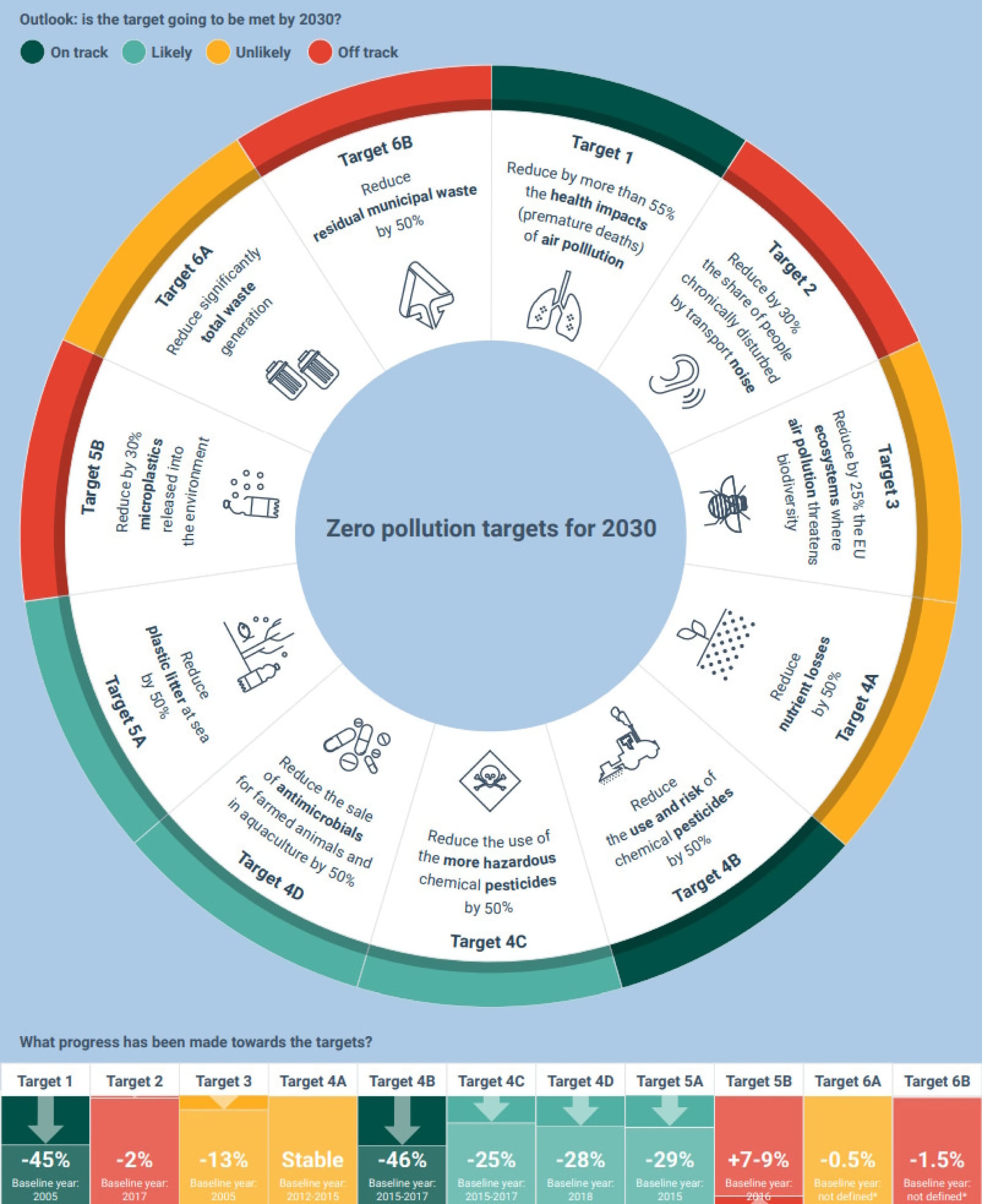
In this article, we look at the actions taking place in the 2025-2030 timeframe:
2025
2027
2028
2030
As global dynamics shift, Europe has the chance to take the lead in climate action. By strengthening sustainable innovation, fostering strategic partnerships, and holding corporations accountable, the EU can drive a greener, more resilient future.

AlmaScience is a collaborative innovation R&D lab and a technology incubator for sustainable functional materials and green electronics.

Stay in the loop with the latest news and events from the Sustainable Innovation Ecosystem