

Stay in the loop with the latest news and events from the Sustainable Innovation Ecosystem

Embrace a sustainable summer, inspired by the spirit of Alentejo, in both production and preservation.
Sustainability has become a part of our everyday lives. For some, it might not be an active practice yet, but small daily thoughts and actions, as outlined below, can spark our growing role in it.
Individually and collectively, we are increasingly contributing to the fight for an environment that is fair to its own preservation, to us, and to all living species – ensuring a future for humanity and beyond.
For over two decades, we have witnessed the impact of the climate crisis in ever more vivid expressions. Far too many have been forced into displacement. Some have lost their lives or loved ones. Those most exposed have had to migrate, moving closer to safer lands and resources, often pushed back.
Meanwhile, parts of the world have recklessly exploited natural resources, driven by a pernicious narrative of compulsory consumption, fast fashion, and careless resource extraction. This behavior has led to air and water pollution, building up giant conglomerates and egos. Politics have rolled out the red carpet, leading to further harm.
The entitlement that comes with the accumulation of wealth is still prevalent, still highly followed and praised, still eroding alternative ways of thinking, and still exploiting the resources of others, contributing to their marginalization.
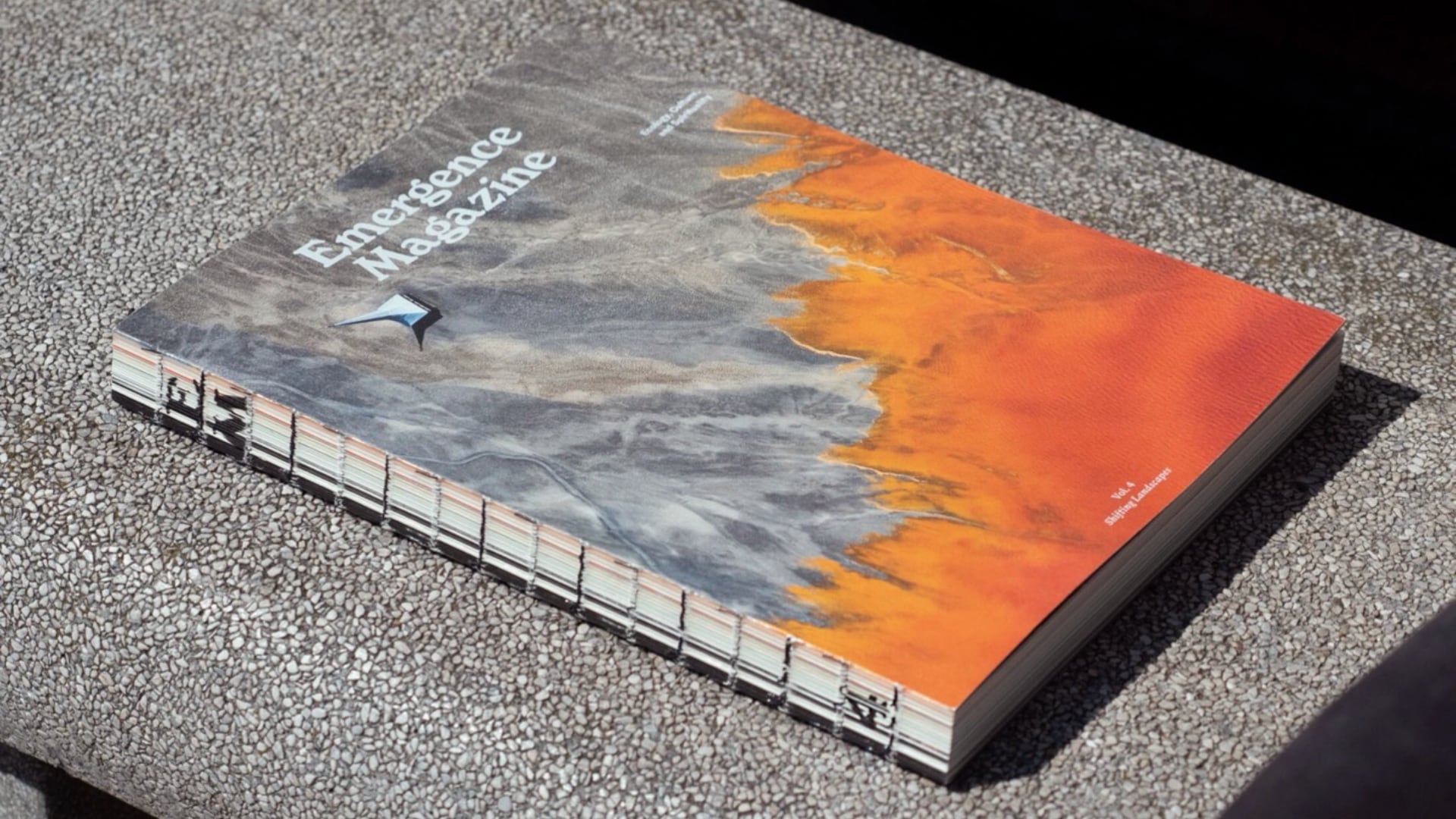
Emergence Magazine raises these larger-than-life philosophical questions in its fourth volume: Shifting Landscapes.
And how do you write about something that is larger than language? Maybe you have to understand beauty, poetry, and love. Who do I love that will experience this the hard way? As we transition from lives of convenience and fast fashion to lives of environmentally conscious choices, sustainability will continue to permeate almost all of our daily decisions.
So how do we transition and bring what’s large into smaller increments?
By actively implementing practices passed down from our grandparents, we don’t need to give up today’s creativity, technology, or innovative ideas. Nor do we need to abandon our drive for human interaction and the creation of new networks. Instead, we can infuse these modern concepts with the common sense learned by farmers through seasons of plenty and drought. With economic scarcity as a mindset grounded in reality – a reality shared by many on our planet – we too often ignore its lessons.
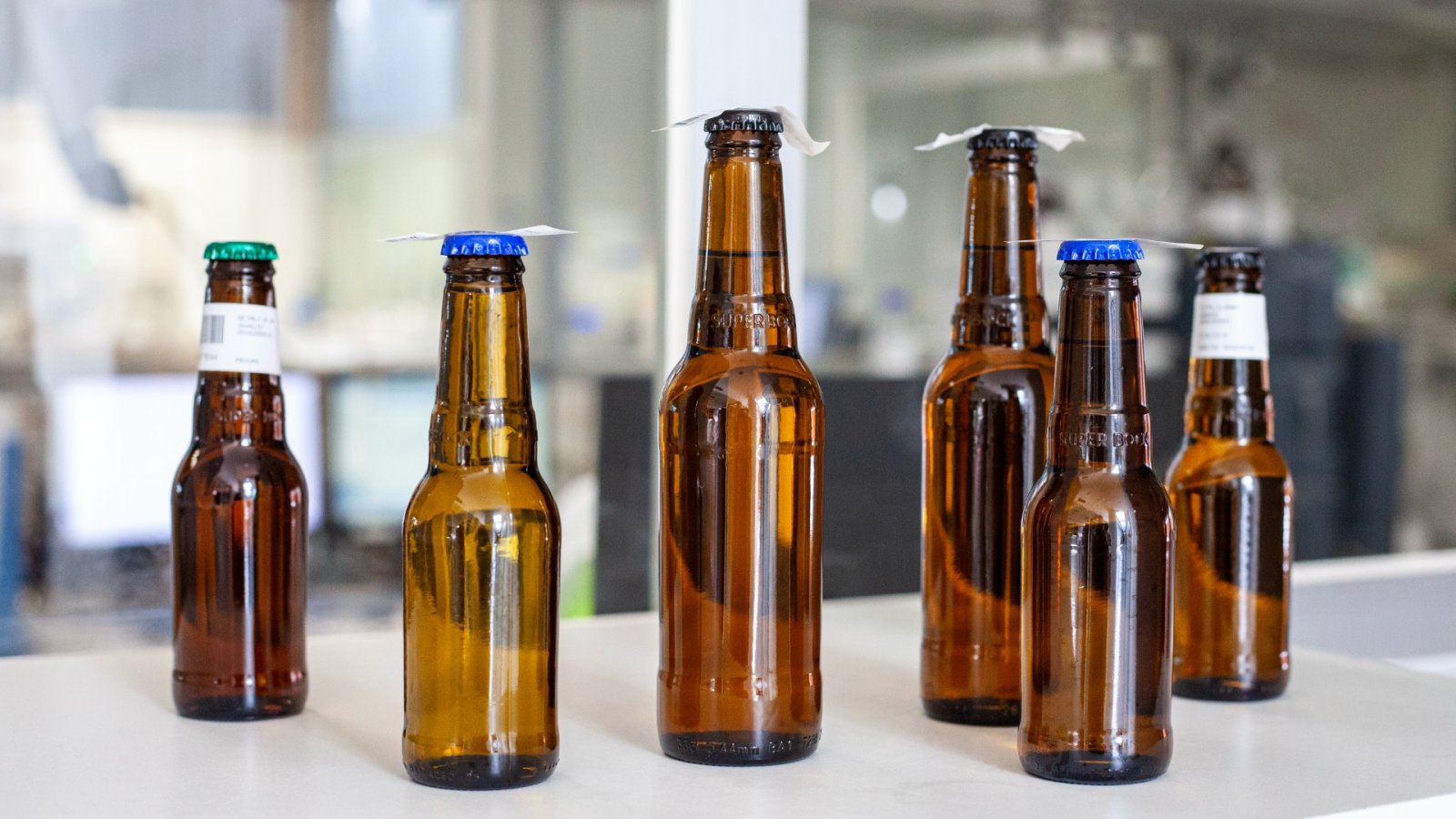
International goods vs. local markets. Rui Braz, Marketing Manager at AlmaScience, recalls his childhood in the '70s, growing up around his town’s grocery store, which still had a beaten earth floor with everyday products scooped from big containers:
The grains were just there, on these big brown rough burlap bags. No cans, no jars, and no packaging to speak of. You would just help yourself to how much you needed and pay by the weight.
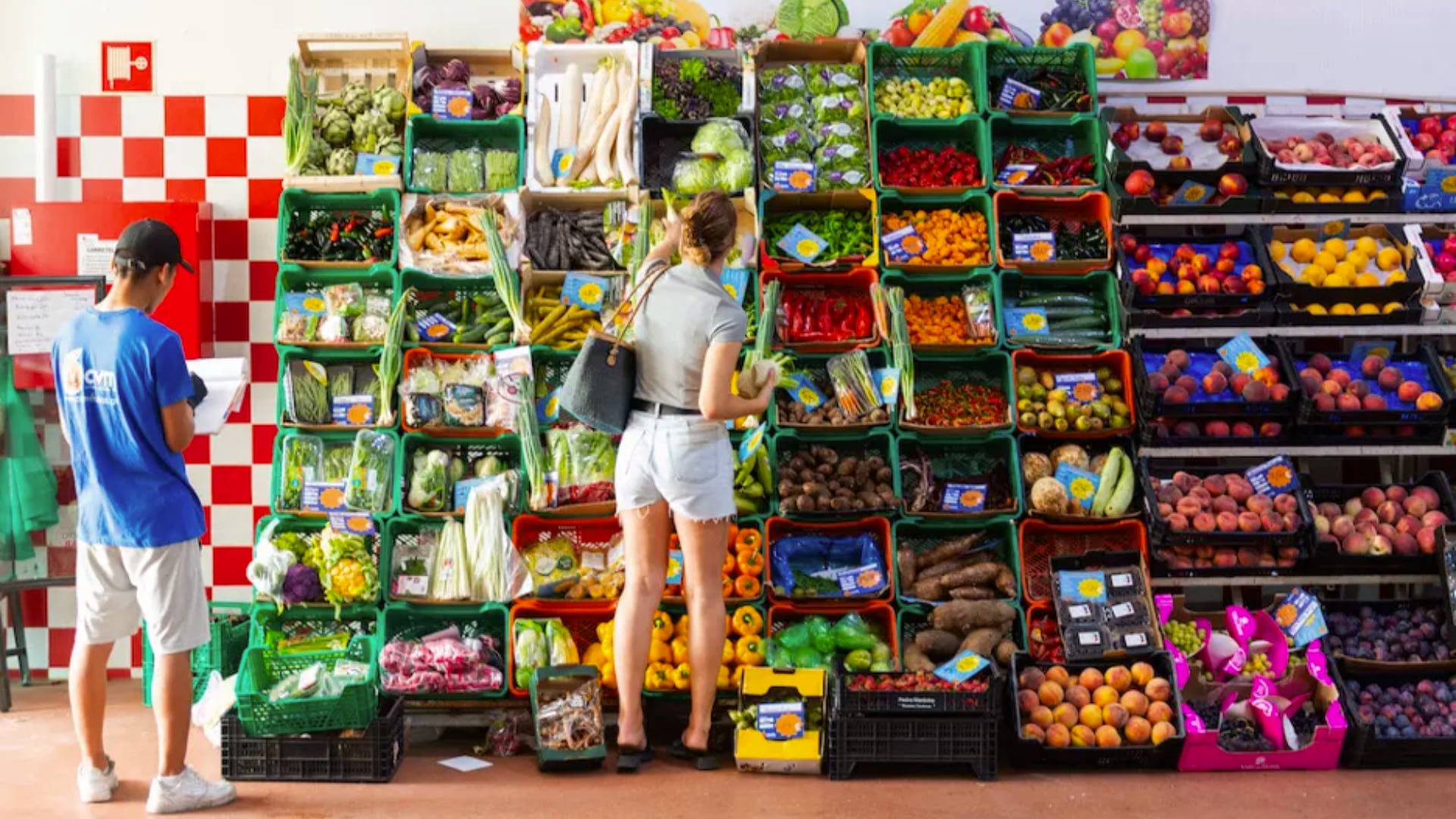
Eat local and seasonal: To gain a sense of what grows when and where, and to differentiate the fruits and vegetables produced each season, consider the variations in taste due to more or less sun, and more or less rain. Their shapes, poetically imperfect and intimate, remind us how rare, precious, and fragile these harvests are.
At farmers' markets, plastic containers aren’t necessary. Bring a basket, a tote bag, or glass jars and learn how to better preserve herbs, fresh vegetables, and fruits through tutorials, rather than letting them rot in the predictable plastic bag. Most herbs can be preserved by displaying them in aluminum foil and placing them on a fridge shelf. This includes fresh thyme, mint, and basil.
Re-purpose leftovers: Those of us old enough to have spent time in our grandmother’s kitchen learned a great deal about supply chains, recycling goods, and how many traditional European recipes were designed with a zero-waste policy in mind. Farmers and breeders were at the very start of this chain, and these recipes, far from disappointing the palate, became geographical landmarks.
For instance, the French pain perdu (meaning “lost bread”) echoes the Portuguese Açorda, both recipes created as a way to rescue dry bread.
Today, National Geographic rebrands this concept, proudly showcasing brilliant examples of recycling leftovers:
Jonathan Bloom estimates in his book American Wasteland that the U.S. throws away almost half of its food. The Environmental Protection Agency quantifies that as 20 pounds of food per person per month: $165 billion worth per year. University of Minnesota researchers wrote in Science that reducing food waste just in the United States, India, and China could feed 400 million additional people.
Saving food from being wasted, while making something delicious out of almost nothing, is an ethical act. It helps the planet, stretches your budget, and exercises the muscles of your culinary creativity. I propose we give this long tradition a fancy name – borrowing from French toast, I’d go for la cuisine des perdus, or more or less “cooking with discards” – and applaud the ingenuity that reduces waste and gives food a further life. Cuisine des perdus is historic, global, and tasty. We should all do it more.
We should all be working hard to put less food in the trash. If we could claw back from the garbage food that gets discarded too early, we could increase the amount of nutrition available for the world’s burgeoning population, while honoring the effort of farmers and food processors whose hard work we are about to toss.
In her food “bible”, Traditional Portuguese Cooking, author Maria de Lourdes Modesto expresses how food reflects the country’s economic, social, and cultural influences over the centuries. Portuguese cuisine has Mediterranean influences (bread, wine, and olive oil), Atlantic influences (fish), and rural harvests offering a great variety of fruits, vegetables, and meats – especially pork, from which almost all parts are used. Pastry was mastered in monasteries with regional variations, and strong culinary ties to the country’s former colony, Brazil, have infused Portuguese cuisine with a wealth of cultural influences. “Portuguese housewives have always known how to make the best of what was available: out of some 8,000 contributions, half were for a leftover bread-dish, açorda, never found in restaurants”, writes Elisabeth Luard, a fan of Modesto’s book.
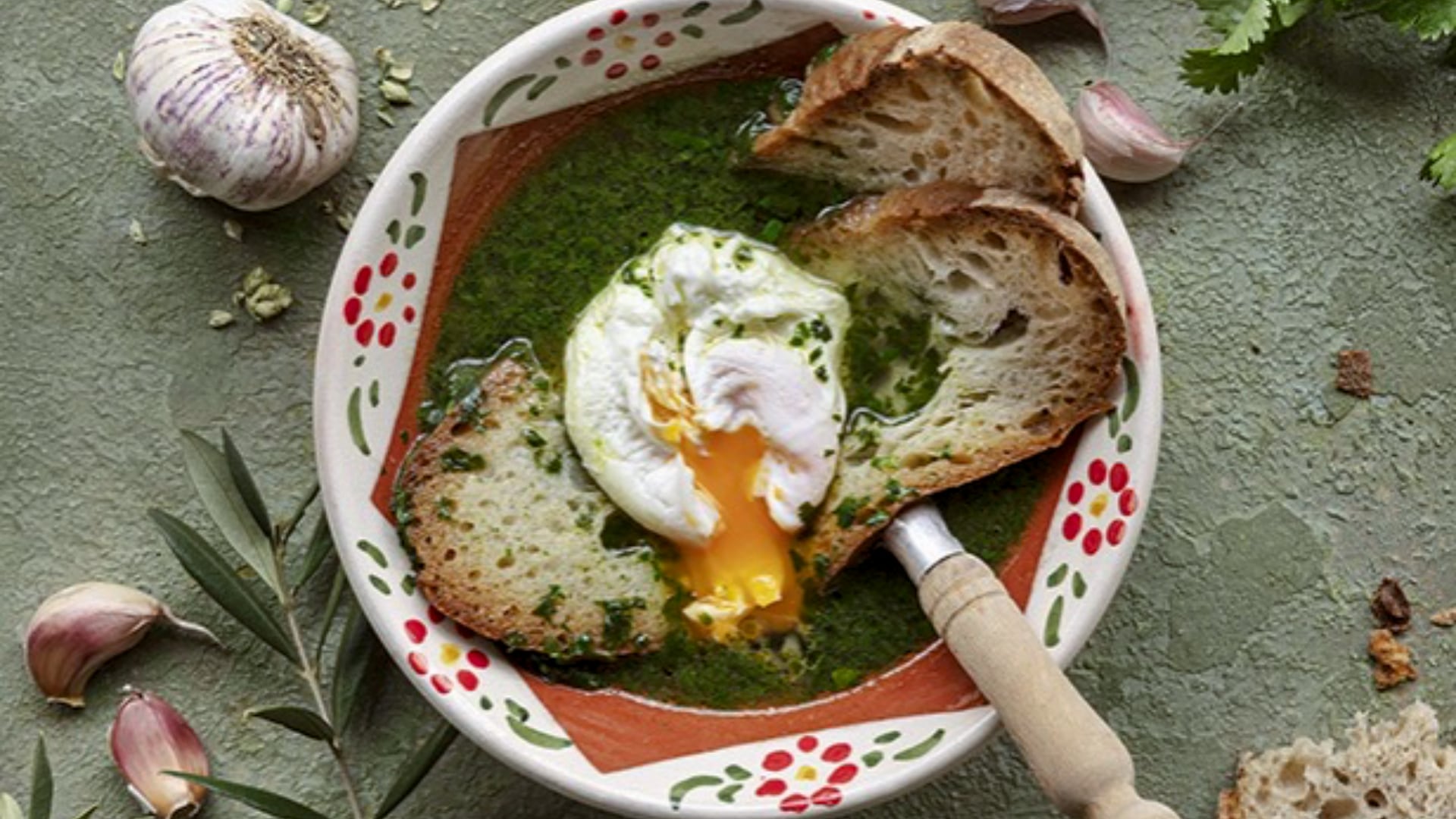
Açorda Alentejana is a soup that is only lightly scalded. It always features a hot, clear broth, flavored with coriander or pennyroyal (or both), along with crushed garlic and coarse salt, all seasoned with olive oil. Slices or pieces of wheat bread, preferably homemade and hardened, give it consistency. How simple is that!? Perhaps it will encourage us to keep a tote bag hanging in our kitchen to store dry bread.
Another recipe, always served hot in traditional Portuguese clay cookware, tells us something more about kitchenware. It is Pica Pau (or Woodpecker), a traditional Portuguese dish consisting of small pieces of fried beef in a light gravy made with beer, garlic, oil, chili, and mustard. The dish is named "woodpecker" because the beef is picked up with a wooden toothpick. Pica Pau is traditionally topped with olives, pickled carrots, and cauliflower.
Centuries of simple life and isolation in the Alentejo region offer a framework for ideas, serving as a reflective guidebook against the excessive use of resources and reckless consumption. In Europe, kitchenware was traditionally minimal and handcrafted – many of us grew up with iconic, one-of-a-kind clay pieces in the kitchen. From the clay pot of Alsace in France, which gives shape to the regional specialty Kugelhof, to the clay pots of Alentejo in Portugal, designed either for a specific dish or versatile enough to serve multiple purposes, pottery in European kitchens has stood the test of time, passed down through generations. Today, these items are sought after on platforms like European Antique, with a Kugelhof jar fetching prices as high as $350.
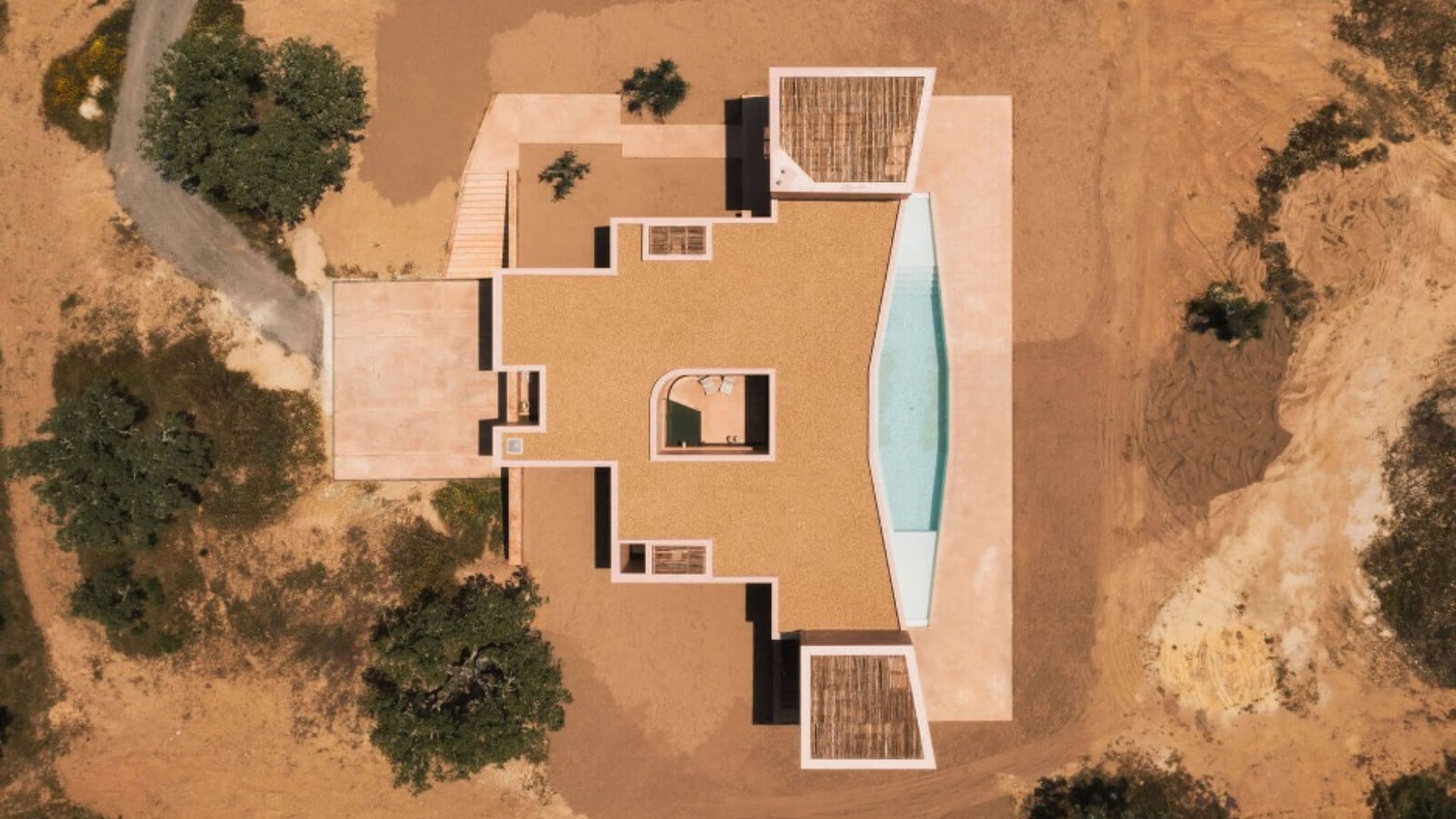
Minimalism and vertical sunlight. Architects building contemporary housing in Alentejo embrace the region's underlying grid of minimalism and light, crafting spaces that merge indoor and outdoor lifestyles, all while being immersed in nature.
Are you an architect, scientist, artist, or entrepreneur rediscovering a more sustainable lifestyle and rethinking your professional practice? Are you among the progressive minds who view our natural resource limitations as a creative challenge rather than a setback? Are you sketching new forms and developing inventions with this mindset? Are you pursuing common sense and honoring the land of our ancestors in the creation of smart products that reflect and guide ethical consumption?
In architecture, are you designing new spaces that foster inclusivity within the communities they serve? A new way of living – one that revolves around interconnectedness – will be rooted in solutions that reshape human behaviors toward eco-friendly practices, striving for a world with greater equity and balance.
Portuguese architect Ines Ayer exemplifies this new generation of thinkers: “I have a keen interest in exploring design innovation with topics such as biodesign, social justice, and health equity”.
Ines Ayer is recognized in the 2024 Forbes “30 Under 30” prestigious list for her approach to design as a humanist and active catalyst for change, championing humans, democracy, climate action, and social justice, rather than merely sketching another chair or office tower. Born in 1994 on São Miguel Island in the Azores, she uses design “as a shifter of society, through visual identity, concept, and community”. She is the founder of Studio Ayer and a Global Shaper with the World Economic Forum.
The more we know about other species, the more we realize we are not so unique after all. Language, tools, and cooperation are not exclusive human traits. As it turns out, the best distinction between us and other animals appears to be our ability to leave knowledge behind for later generations, as well as predict future consequences of our actions. Yet, we don’t seem to care about either.
- Manuel Lima, Portuguese designer, author of The Book of Circles, The Destruction of the Ego, and founder of http://VisualComplexity.com
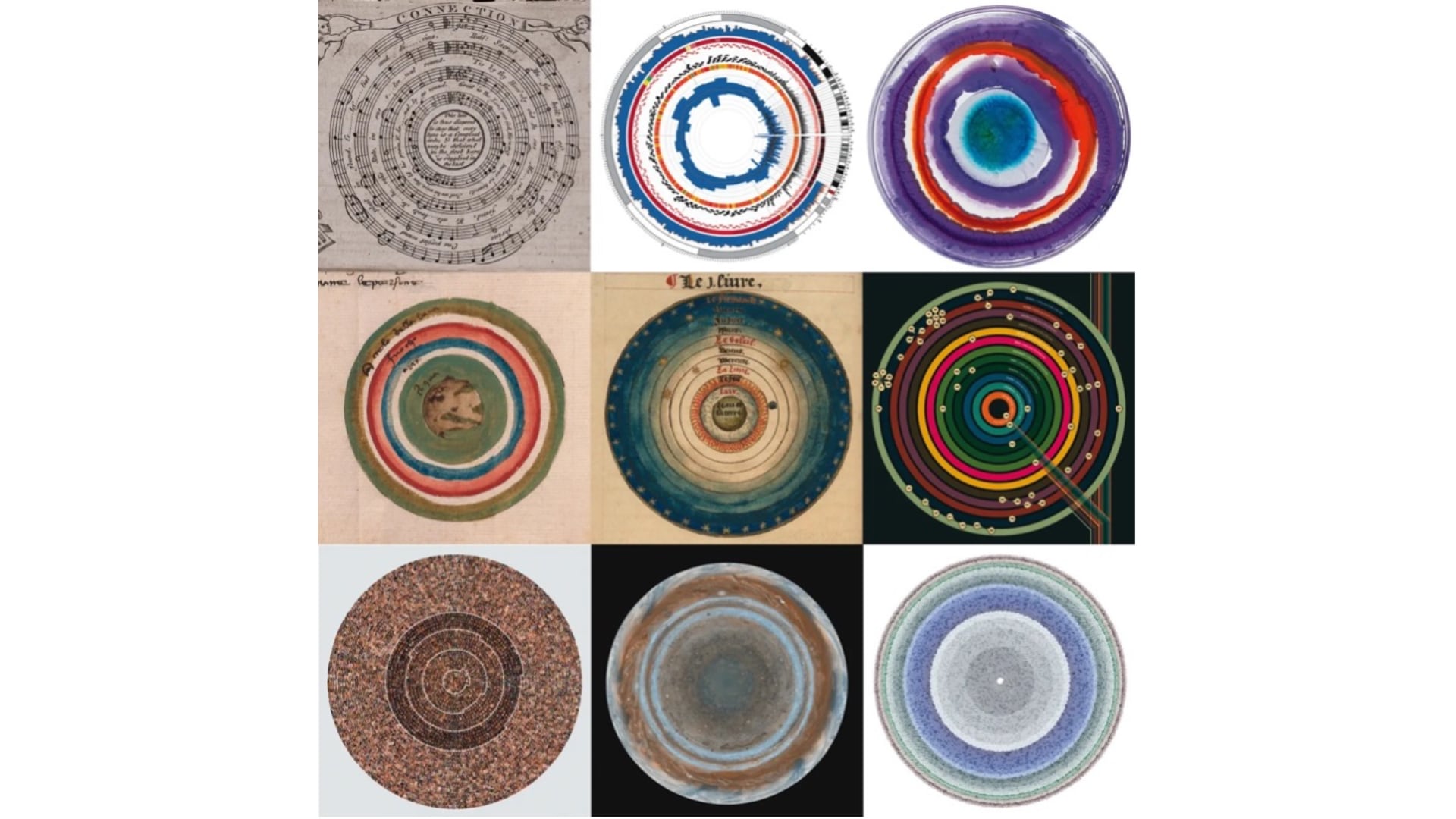
The Book of Circles: A set of projects from the first of twenty-one visual archetypes featured in the book. The projects span more than 500 years, from the 15th century to 2013. The diversity is evident, in juxtaposition: an art project created inside a petri dish, an illustration of the geocentric model, an image of Jupiter’s north pole, and more.
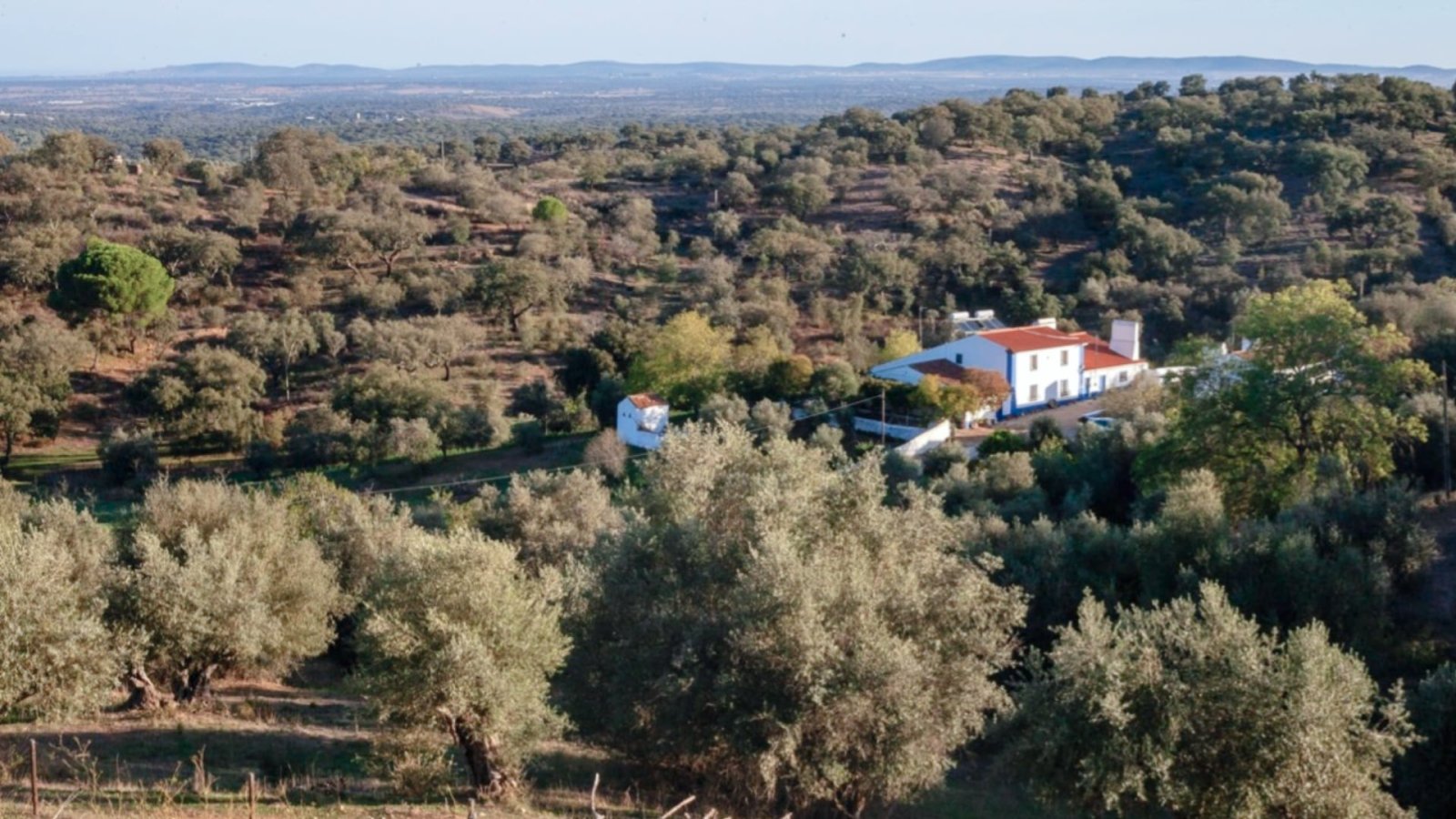
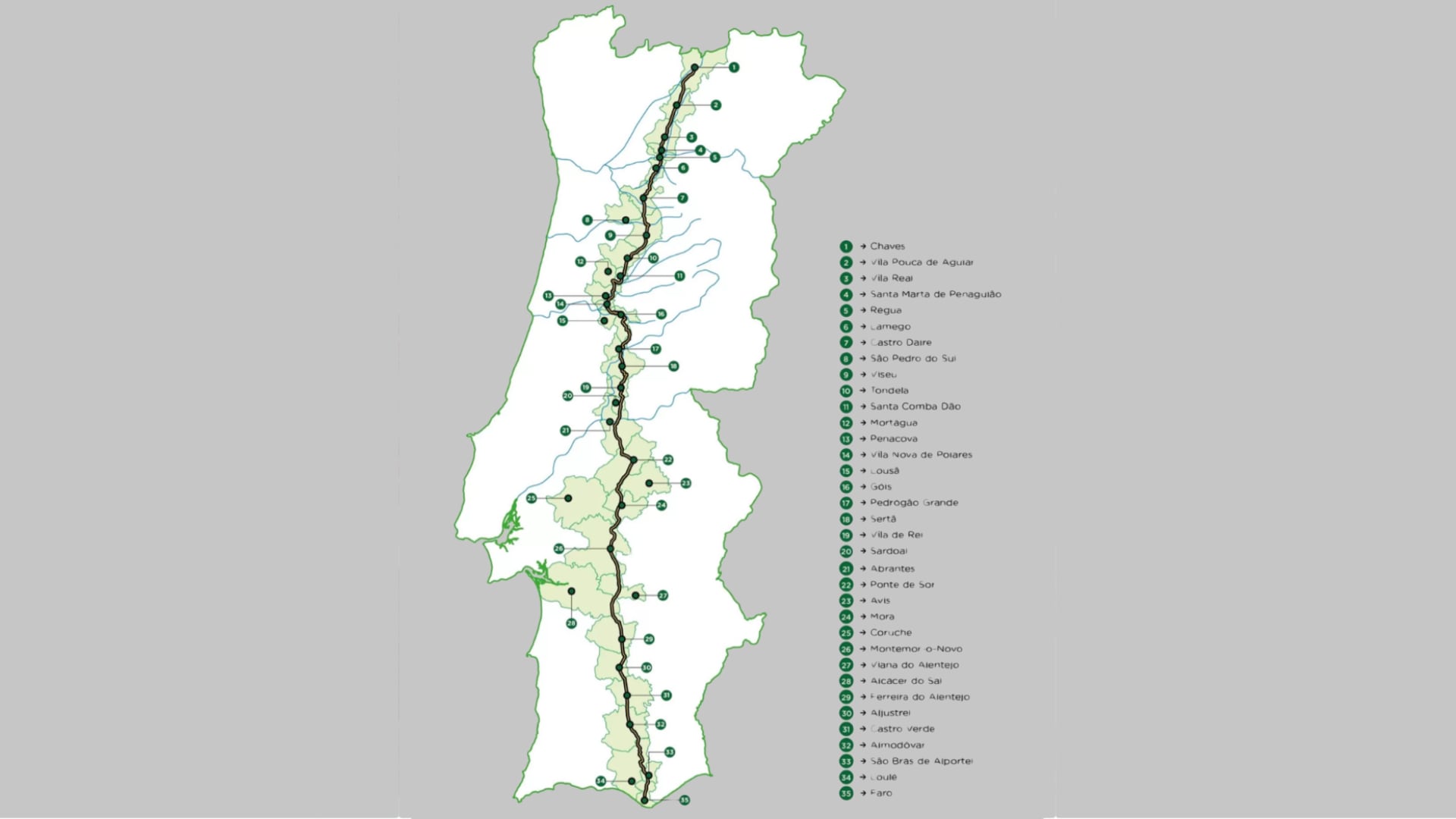
The largest region of Portugal, Alentejo, is steeped in ancestral rural pragmatism, with a simplicity that permeates its everyday tools and practices. This minimalism now inspires contemporary architecture, kitchenware, and a lifestyle rooted in eco-tourism. For those seeking an ethical and peaceful existence immersed in nature, modern Portuguese architecture responds with constructions that repurpose artisanal practices and local materials into stunning monoliths set in the heart of nature.
“The simple life” is embedded in the DNA of Alentejo, and it has become an exportable brand. Today, from Santiago do Cacém to Comporta, Évora to Montemor-o-Novo, luxury properties and services are leveraging the same buzzword: Simplicity. In Comporta: Sublime Comporta is an example of that vernacular.
Can we relearn how to save, recycle, and preserve, drawing inspiration from European grandmothers and grandfathers who, having worked the land and experienced scarcity – many have endured two world wars – learned to live simple lives in anticipation of hard times? To this simplicity, we might add “slow” to embrace two additional fields:
Both approaches lead us to “unspoiled natural spaces,” where our attire is primarily functional, and the journey itself becomes an integral part of the experience within such natural wonders.
Less artificial energy: Like our ancestors, the farmers, we can shape our days with natural light, especially when the days are long. Early mornings in the soft, pastel hues of dawn provide an opportunity for physical stretches and a quiet salute to the sun. Sleep under the stars at dusk or when the campfire dies down. And don’t forget to turn off your phone for at least half a day when not traveling and take note of what you miss most during this detox process.
How romantic it is to reconsider our reliance on artificial lighting, whether in a tent with just a torch or by the light of our smartphones.
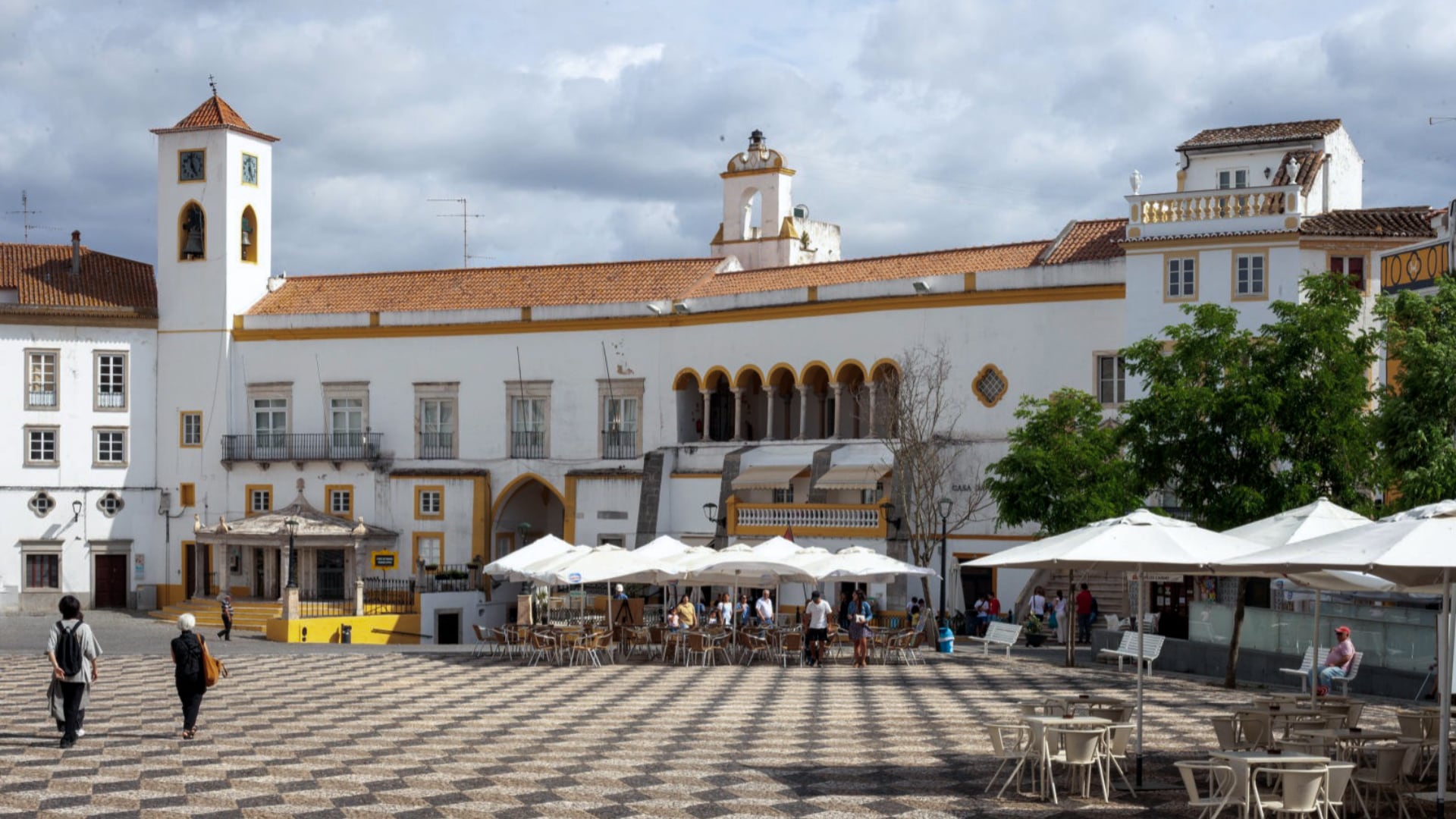
Slow travels on idling trains: For those living in Portugal, journeys on leisurely trains to Elvas, Évora, Cascais, Coimbra, Santarém, or Faro are unforgettable. Here, the journey is the destination, encapsulating the regional diversity of such a small country. With a mountain bike in tow, Portugal reveals the magic of its network of bike trails.
And can we learn to live, explore, and discover a land with a gentle touch, using our own body’s energy whenever possible? Can we sail on bikes, surfboards, and boats, guided by the speed of the winds, catching sunrises and sunsets as if they were open theaters performing 24/7, while advocating for minimal intervention in nature's wild beauty and the scents that linger with us in lifelong nostalgia?
Nature connects us to our ancestors, to human adversity, and teaches us resilience in the face of the unknown. The Mad Men of the 60s era, with their capitalist values, matched their lifestyle to dense metropolitan areas and skyscrapers where nature had no role.
Slow travels using our body energy: Swim, walk, cycle, ride horses, climb trees, and hike. By expanding our own strengths and harnessing our body’s natural abilities, we build intimate geographies of a shared country, leaving only our fleeting presence and memory traces behind. We cycle down winding roads, hair blowing in the wind, legs acting as accelerators, laughing like a child, free and intertwined with the natural world.
We let the immense silence engulf us, listening to its symphony when birds slice through the sky with their sharp goodbyes before twilight. Our relationship with nature unfolds because we approach it with humility, leaving our comfort zones to glide and sail across Portugal’s unique coastal roads and mainland. We traverse its rural plains as tiny, insignificant dots in a vast and unspoiled landscape.
In these moments, we think quietly, free from ego, without interruptions, immersed in a pristine, noise-free experience. Mechanical and electrical energies become redundant. In these alternative experiences, we learn to value their roles when they are essential and life-changing. We dream of silent, fast electric trains becoming a regular commuting experience in Portugal. Soon.
As summer ends, take a moment to reflect: how do you orchestrate a more sustainable lifestyle that could, step by step, become second nature?
Portuguese writer Miguel Sousa Tavares speaks eloquently about nature’s abundance and drought:
Life in the countryside is like this: in years of plenty, when it rains a lot and at the right times, the barns and larders are filled with food, everyone is happy and there are feasts in the villages to celebrate the harvest. In years of drought, the meadows dry up, the fruit rots on the trees, the game flees, and people are sad and sometimes hungry.
Still, the writer unsurprisingly hides in Pavia, on the road to Estremoz in Alentejo, for its three greatest luxuries: “Silence, time, and space”, in his own words.
Slowly and surely reducing our carbon footprint, minimizing food waste, and leaving no trace in public and natural spaces, while thinking of sustainable innovations and smart products that ignite inherent energy for the common good, will not only minimize damage but also change us.
We should not romanticize what nature has given and sometimes takes back. Nor should we reject the advances in technology and human-made innovations that radically change our interactions, whether with one another or through smart devices. But we must recognize and embrace the palpable changes in belief systems that are happening around us.
Our everyday relationship to consumption, be it food, food waste, or how we treat our home devices, is increasingly more considerate. Now, people and brands are helping us relearn our lifestyle anew, particularly in what we wear.
Slow fashion: be a gentleman farmer. Flashback to our grandparents' or great-grandparents' outfits from the turn of the 20th century. Clothing was essentially utilitarian: either a uniform for study or work, offering specific protection. At home, casual clothing was for both indoor and outdoor functions, like slippers inside, and added wooden clogs for the garden. It's no wonder Birkenstock became an LVMH brand after winning us over for two decades with its practical indoor/outdoor slipper style. At home and in the garden, clothing was often completed with an indigo blue apron and a hat or beret to weather the elements. For social and special events, a couple of suits and dresses needed nothing more.
So why continue to consume fast fashion when so many independent brands are bringing us back to measured consumption, with a focus on a traceable and often local supply chain? If you wonder how sustainable the massive, and admittedly addictive Zara might be, check out this article by Eco-Stylist: How Sustainable is Zara?
Renowned trend forecaster Lidewij Edelkoort has been outspoken for years about fashion's shortcomings in the production of fast fashion. With the Polimoda Fashion School in Florence, Italy, she launched the program Polimoda - Farm to Fabric to Fashion, aimed at disrupting old systems.
As she puts it, "Our definition of innovation in fashion is perhaps a more sustainable idea: producing less, and closer to home, all at a slower pace. Simple, but actually, completely radical." Edelkoort and Polimoda hope to equip future fashion professionals – whether designers or textile makers – with the knowledge to create a more sustainable fashion industry.
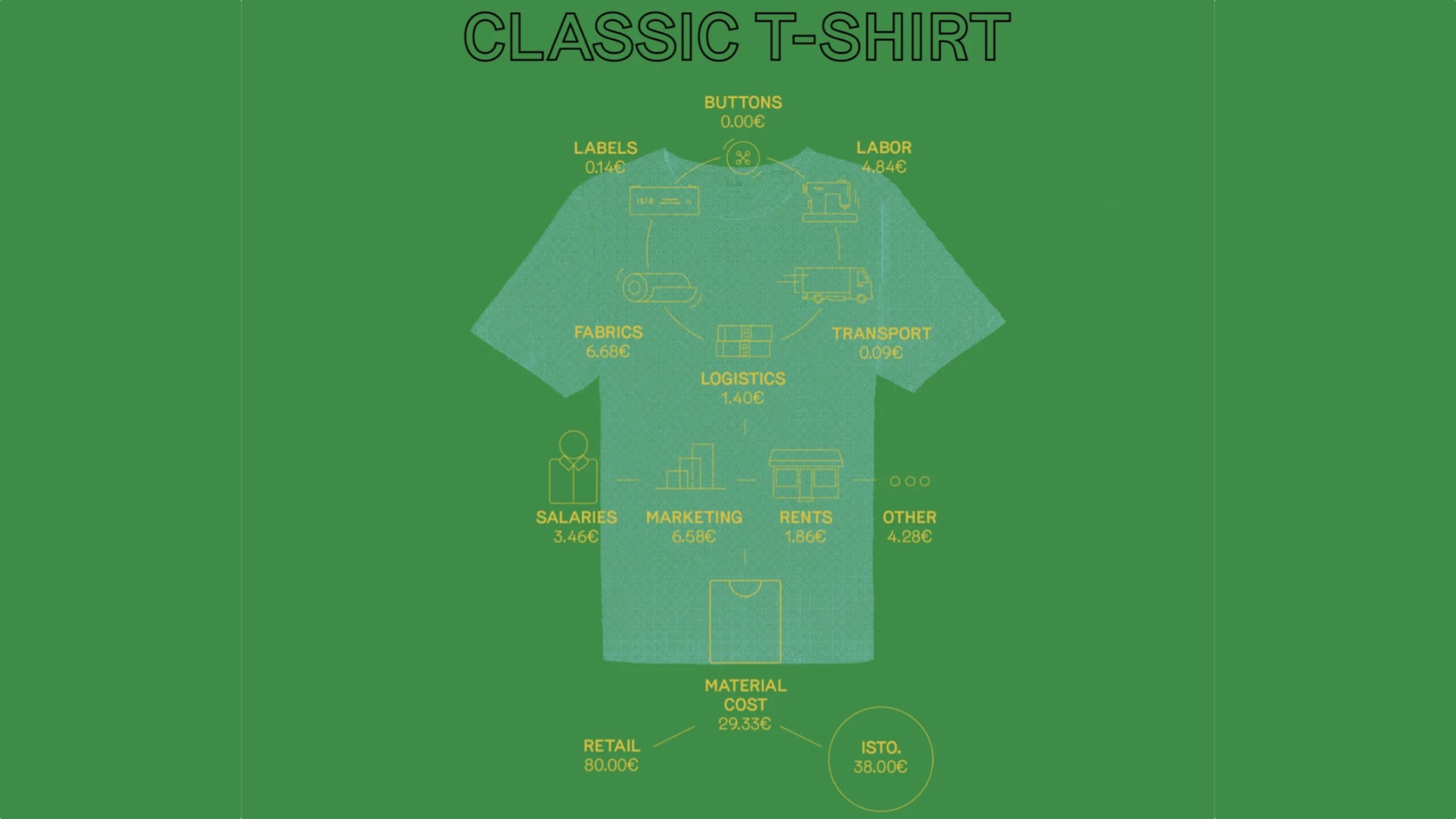
In Portugal, ISTO has already mastered this concept. In their store windows, a diagram outlines the supply chain of their flagship items and their pricing. Online, the "Ciclo" section offers secondhand pieces and “Beautiful Losers,” an archive sale for a second life to items that didn’t make it to the main collection.
Also: read Sustainable Summertime – Part I
The presence of living organisms of any type defines the biosphere; life can be found in many parts of the geosphere, hydrosphere, and atmosphere. Humans are part of the biosphere, and human activities have important impacts on all of Earth's systems.
– Emergence Magazine
Experience this immersive documentary: https://emergencemagazine.org/feature/breathing-with-the-forest
This work had financial support from the Interface Mission (RE-C05-i02 – Missão Interface N.º 01/C05-i02/2022), Componente: Laboratórios Colaborativos, project 197), in the context of the RRP - Recovery and Resilience Plan.

AlmaScience is a collaborative innovation R&D lab and a technology incubator for sustainable functional materials and green electronics.

Stay in the loop with the latest news and events from the Sustainable Innovation Ecosystem